Table of Contents
Introduction
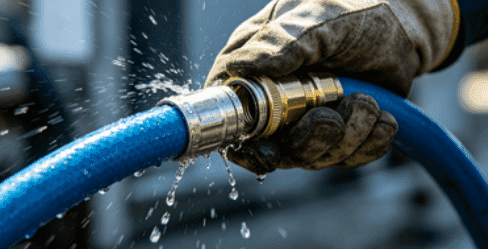
If you work with fluid transfer systems, you have likely used a connector for hose or a quick connect fitting. Both are designed to join hoses to equipment or to other hoses, but they serve different purposes depending on the application.
A connector for hose typically refers to threaded, barbed, or mechanically fastened fittings that create a secure and often semi-permanent connection. Quick connect fittings, on the other hand, are designed for speed and convenience, allowing users to connect and disconnect hoses without tools.
Understanding the differences between these two options is essential if you want to improve system efficiency, reduce leaks, and minimize maintenance time.
How a Connector for Hose Works
A connector for hose works by creating a mechanical seal between the hose and the fitting. This is usually achieved through threads, barbs, or compression mechanisms.
Threaded connectors rely on screw threads to create a tight seal. Barbed connectors use ridges that grip the inside of the hose, often combined with clamps to prevent leaks. Compression fittings use pressure to secure the hose in place.
Sealing is typically enhanced with materials such as PTFE tape or rubber gaskets. When installed correctly, a connector for hose provides a strong and reliable connection that can handle moderate to high pressure.
How Quick Connect Fittings Work
Quick connect fittings are designed for speed and ease of use. They use an internal locking mechanism that snaps into place when the hose is inserted.
Inside the fitting, components such as O-rings and locking balls create a seal and secure the connection. To disconnect, the user simply pulls back a sleeve or presses a release mechanism.
This design allows for rapid connection and disconnection, making quick connect fittings ideal for systems that require frequent changes or maintenance.
Types of Connector for Hose
There are several types of connector for hose, each suited for different environments and requirements.
Threaded connectors are commonly used in plumbing and industrial systems where a tight seal is required. Barbed connectors are often used with flexible hoses and are secured with clamps.
Camlock connectors are widely used in industrial applications for their ease of use and reliability. Compression fittings are preferred in systems where precision and leak prevention are critical.
Heavy-duty connectors are designed for industrial environments where pressure and mechanical stress are high.
Types of Quick Connect Fittings
Quick connect fittings also come in various designs depending on the application.
Push-fit connectors are commonly used in water and air systems. Hydraulic quick couplings are designed for high-pressure fluid systems. Pneumatic connectors are used in compressed air systems.
Dry disconnect couplings are used in applications where fluid loss must be minimized during disconnection. High-pressure quick connect systems are engineered for demanding industrial conditions.
Key Differences Between Connector for Hose and Quick Connect Fittings
The main differences between these two solutions can be summarized in terms of installation, performance, and usability.
| Feature | Connector for Hose | Quick Connect Fittings |
|---|---|---|
| Installation | Requires tools | Tool-free installation |
| Connection time | Slower | Very fast |
| Leak resistance | High when properly installed | Moderate to high |
| Pressure capacity | High | Varies by design |
| Maintenance | Less frequent disconnection | Frequent use cycles |
| Cost | Lower initial cost | Higher upfront cost |
Connector for hose solutions are generally more robust and suitable for long-term installations. Quick connect fittings excel in environments where speed and flexibility are more important.
Performance Comparison in Different Conditions
In high-pressure environments, a connector for hose is often the preferred choice due to its mechanical strength and secure sealing. Quick connect fittings can handle pressure as well, but only when specifically designed for such conditions.
In outdoor or corrosive environments, material selection becomes critical. Metal connectors with protective coatings tend to perform better over time.
In systems where hoses need to be connected and disconnected frequently, quick connect fittings offer a clear advantage. They reduce labor time and improve operational efficiency.
Materials and Durability Comparison
Material selection directly affects performance and lifespan.
Connectors for hose are commonly made from brass, stainless steel, or reinforced plastics. Quick connect fittings use similar materials but often include additional sealing components such as O-rings.
According to general engineering material data referenced in fluid system design guidelines, stainless steel provides the highest corrosion resistance, while brass offers a good balance between cost and durability.
Plastic connectors are lightweight and cost-effective but may not perform well under high pressure or extreme temperatures.
Applications of Connector for Hose and Quick Connect Fittings
A connector for hose is widely used in irrigation systems, plumbing networks, and industrial fluid transfer systems where a stable connection is required.
Quick connect fittings are commonly found in pneumatic systems, cleaning equipment, and applications where hoses need to be changed frequently.
In agricultural and outdoor use, both options are used depending on whether durability or convenience is the priority.
How to Choose the Right Connector for Hose
Choosing the right connector for hose depends on several key factors.
First, consider the size and compatibility with your hose. Mismatched sizes are a common cause of leaks.
Next, evaluate the pressure and temperature requirements of your system. High-pressure systems require stronger materials and more secure connection methods.
You should also consider the type of fluid being transferred. Certain materials perform better with specific chemicals or temperatures.
Finally, think about how often the connection will need to be changed. If frequent disconnection is required, quick connect fittings may be the better option.
Common Problems and Troubleshooting
Leaks are one of the most common issues with hose connections. They are often caused by improper installation, worn seals, or incompatible components.
Another common problem is connection failure due to wear and tear. Over time, repeated use can degrade the sealing surfaces.
Regular inspection and proper maintenance can prevent most issues. Replacing worn components and ensuring correct installation are essential steps.
Installation and Maintenance Best Practices
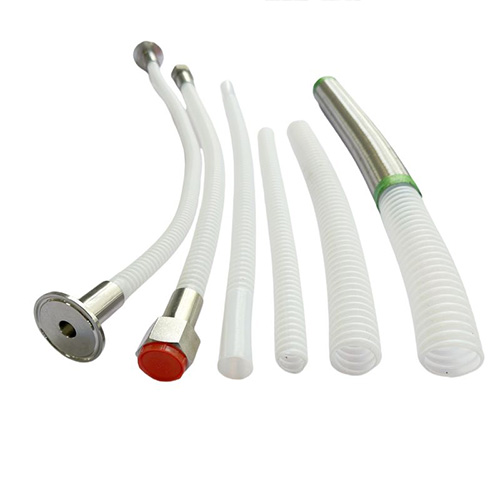
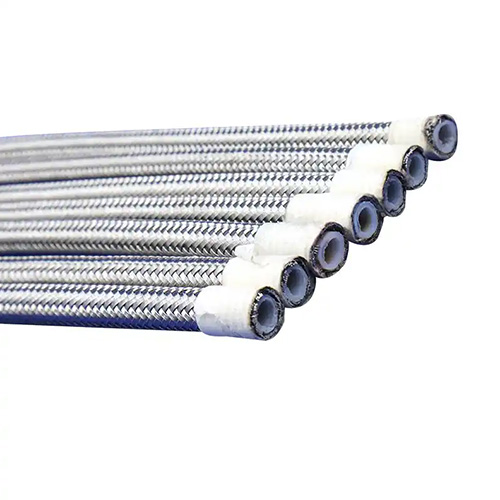
Proper installation starts with selecting the correct connector for hose and ensuring compatibility with the hose and system.
Always clean the connection surfaces before installation. Use appropriate sealing materials and avoid over-tightening, which can damage threads or seals.
Maintenance involves regular inspection for leaks, corrosion, and wear. Replacing seals and tightening connections as needed will help extend the lifespan of the system.
Conclusion
Both connector for hose solutions and quick connect fittings play important roles in modern fluid systems. The right choice depends on your specific needs, including pressure requirements, frequency of use, and maintenance priorities.
If you need a durable, long-term solution, a connector for hose is often the best option. If speed and convenience are more important, quick connect fittings offer clear advantages.
By understanding the strengths and limitations of each, you can design a more efficient and reliable system that meets your operational goals.
FAQ
What is a connector for hose used for?
A connector for hose is used to join hoses together or connect a hose to equipment such as pumps, valves, or pipelines. It ensures a secure and leak-free transfer of fluids, air, or other media. These connectors are widely used in irrigation, industrial systems, and cleaning applications where reliable flow and tight sealing are essential for efficient operation.
How do you choose the right connector for hose?
Choosing the right connector for hose requires evaluating several factors, including hose diameter, pressure rating, working environment, and the type of fluid being transferred. You should also consider connection style, such as threaded or quick connect, and material compatibility to ensure durability, safety, and long-term performance in your specific application.
What materials are connector for hose made from?
Connector for hose products are commonly made from materials such as brass, stainless steel, aluminum, and various plastics. Each material offers different benefits, including corrosion resistance, strength, and cost efficiency. The choice depends on application requirements, such as exposure to chemicals, outdoor conditions, or high-pressure environments.
Why does a connector for hose leak?
A connector for hose may leak due to improper installation, damaged threads, worn sealing components, or incorrect size matching between the hose and connector. Environmental factors like temperature changes or material degradation can also contribute. Ensuring proper installation and regular inspection can significantly reduce the risk of leakage.
Can a connector for hose be reused?
Yes, most connectors for hose are designed to be reusable as long as they remain in good condition. Before reuse, it is important to check for wear, cracks, or damaged seals. Proper cleaning and maintenance can extend their lifespan, making them a cost-effective and practical solution for many applications.
Need Help Choosing the Right Connector for Hose?
If you’re unsure which connector for hose is best for your system, pressure requirements, or application, our experts are here to help. Contact us today for a personalized consultation and get reliable, durable, and cost-effective solutions tailored to your needs. Don’t wait until leaks or connection failures disrupt your operations—get in touch now to ensure efficiency, safety, and long-term performance in your hose systems!