Table of Contents
Introduction
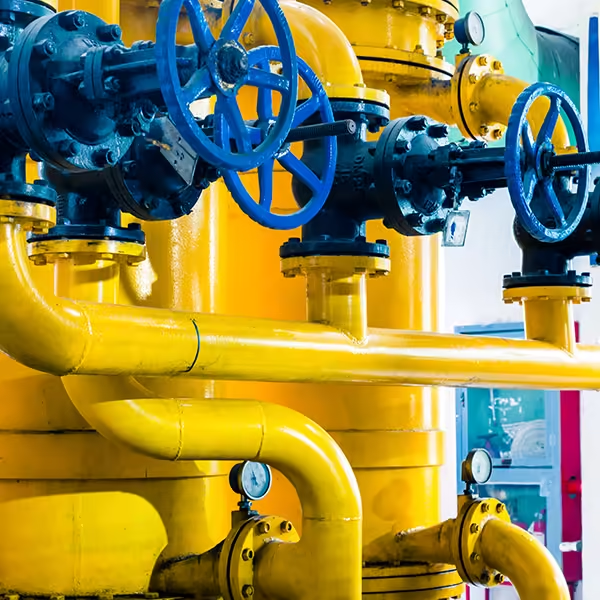
A hydraulic line is a critical component in hydraulic systems, responsible for transporting hydraulic fluid between pumps, valves, cylinders, and other hydraulic components. Hydraulic lines ensure efficient power transmission, allowing industrial machinery and heavy equipment to perform high-force operations with precision and reliability.
Hydraulic hose lines are widely used in construction equipment, agricultural machinery, manufacturing systems, mining operations, and industrial automation. Choosing the correct hydraulic hose line improves system safety, efficiency, and long-term operational performance.
This guide explains everything you need to know about hydraulic hose lines, including types, materials, applications, installation, and maintenance.
What Is a Hydraulic Line?
A hydraulic hose line is a tube, pipe, or hose assembly designed to transfer hydraulic fluid under pressure within a hydraulic system. Hydraulic hose lines carry fluid from one hydraulic component to another, enabling hydraulic power transmission.
The primary functions of a hydraulic hose line include:
- Transporting hydraulic fluid efficiently
- Maintaining system pressure
- Supporting hydraulic power transmission
- Reducing leakage and pressure loss
Hydraulic hose lines are engineered to handle high pressure, vibration, and demanding industrial environments.
Main Types of Hydraulic Lines
Different hydraulic systems require different hydraulic hose line configurations:
Rigid Hydraulic Lines
Rigid hydraulic hose lines are commonly made from steel or stainless steel tubing. They provide excellent durability and pressure resistance in fixed hydraulic systems.
Flexible Hydraulic Lines
Flexible hydraulic hose lines use reinforced hydraulic hoses that allow movement and vibration absorption. These hydraulic hose lines are ideal for mobile equipment and dynamic applications.
Composite Hydraulic Lines
Composite hydraulic hose lines combine flexibility with high-pressure capability and chemical resistance.
Materials Used in Hydraulic Lines
Hydraulic hose line performance depends heavily on material selection.
| Hydraulic Line Material | Key Advantage | Typical Application |
|---|---|---|
| Carbon Steel | High strength | Heavy industrial systems |
| Stainless Steel | Corrosion resistance | Chemical and marine environments |
| Rubber Hydraulic Hose | Flexibility | Mobile hydraulic equipment |
| Thermoplastic | Lightweight | Medium-pressure hydraulic systems |
Selecting the right hydraulic hose line material improves durability and operational efficiency.
Advantages of Hydraulic Hose Lines
High-quality hydraulic hose lines provide several important benefits:
- Efficient hydraulic fluid transfer
- High-pressure resistance
- Improved system reliability
- Reduced leakage risk
- Enhanced vibration absorption
- Long service life in demanding environments
Proper hydraulic hose line selection helps minimize downtime and maintenance costs.
Applications of Hydraulic Hose Lines
Hydraulic lines are widely used in multiple industries:
- Construction machinery
- Agricultural equipment
- Industrial automation systems
- Mining and drilling equipment
- Marine hydraulic systems
- Manufacturing machinery
Hydraulic hose lines are essential for powering cylinders, motors, lifts, and hydraulic actuators.
How to Choose the Right Hydraulic Hose Line
Selecting the correct hydraulic hose line requires evaluating several factors:
Pressure Rating
The hydraulic hose line must safely handle maximum operating pressure and pressure spikes.
Fluid Compatibility
Hydraulic hose line materials must be compatible with the hydraulic fluid used in the system.
Temperature Resistance
High-temperature applications require specialized hydraulic line materials.
Flexibility Requirements
Flexible hydraulic hose lines are preferred in applications with movement or vibration.
Environmental Conditions
Outdoor or corrosive environments may require stainless steel or reinforced hydraulic hose lines.
Hydraulic Hose Line Installation Best Practices
Proper hydraulic hose line installation improves safety and system performance:
- Avoid sharp bends and twisting
- Use correct fittings and connectors
- Prevent excessive vibration
- Ensure proper clamping and routing
- Avoid hydraulic line abrasion
Incorrect installation can reduce hydraulic hose line lifespan and increase leakage risk.
Hydraulic Hose Line Maintenance Tips
Regular hydraulic hose line maintenance helps prevent system failure.
Inspect for Leaks
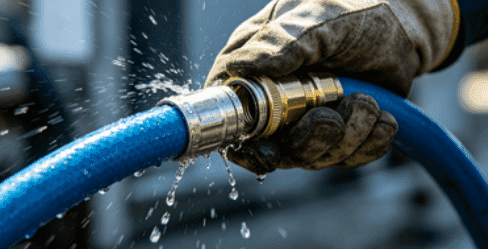
Check hydraulic hose lines regularly for fluid leakage or pressure loss.
Monitor Abrasion
Inspect hydraulic hose line surfaces for wear caused by vibration or friction.
Replace Damaged Hydraulic Lines
Cracked, swollen, or damaged hydraulic hose lines should be replaced immediately.
Maintain Clean Hydraulic Fluid
Contaminated fluid can damage hydraulic hose lines and fittings.
Common Hydraulic Hose Line Problems
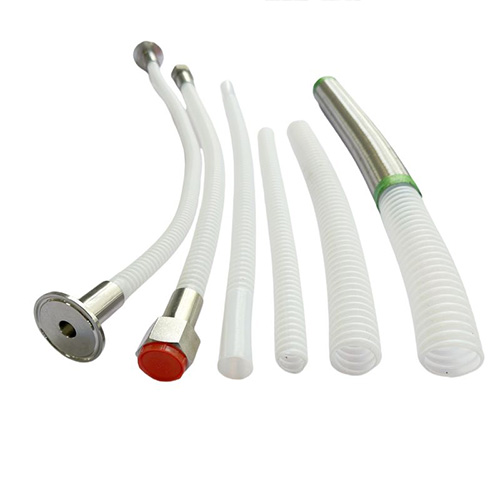
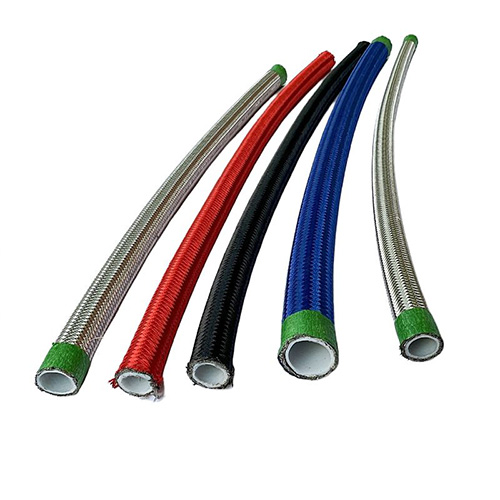
Several issues can affect hydraulic hose line performance:
- Hydraulic fluid leakage
- Pressure loss
- Hose cracking or swelling
- Corrosion in metal hydraulic lines
- Vibration-induced damage
Most hydraulic hose line failures are preventable through proper installation and maintenance.
Conclusion
A hydraulic hose line is a vital part of any hydraulic system, ensuring reliable hydraulic fluid transfer and efficient power transmission. Selecting the correct hydraulic hose line material, pressure rating, and configuration improves safety, operational efficiency, and equipment lifespan.
Proper installation and regular maintenance help prevent hydraulic hose line failure, reduce downtime, and maintain reliable industrial performance.
FAQ
What is a hydraulic line used for?
A hydraulic hose line is used to transfer hydraulic fluid between pumps, valves, cylinders, and other hydraulic components. It enables efficient power transmission in industrial machinery, construction equipment, agricultural systems, and heavy-duty hydraulic applications.
What materials are hydraulic hose lines made from?
Hydraulic hose lines are commonly made from carbon steel, stainless steel, reinforced rubber, or thermoplastic materials. The material selection depends on operating pressure, temperature, flexibility requirements, and environmental conditions.
What causes hydraulic hose line failure?
Hydraulic hose line failure can result from excessive pressure, abrasion, vibration, corrosion, improper installation, or contaminated hydraulic fluid. Regular inspection and preventive maintenance help reduce the risk of leaks and unexpected system downtime.
How often should hydraulic hose lines be inspected?
Hydraulic hose lines should be inspected regularly, especially in high-pressure industrial systems. Routine checks for leaks, cracks, abrasion, or swelling help identify problems early and improve system safety and performance.
How do you choose the right hydraulic hose line?
To select the correct hydraulic line, consider operating pressure, fluid compatibility, temperature range, flexibility, and environmental exposure. Choosing the right hydraulic hose line improves efficiency, safety, and long-term equipment reliability.
Need Help Choosing the Right Hydraulic Line?
If you’re unsure which hydraulic hose line is best for your equipment or industrial system, our experts are here to help. Contact us today for a personalized consultation, and ensure your hydraulic system is safe, efficient, and built for long-term performance. Don’t wait until hydraulic line failure causes costly downtime—get in touch now to protect your equipment and keep your operations running smoothly!