Table of Contents
Introduction
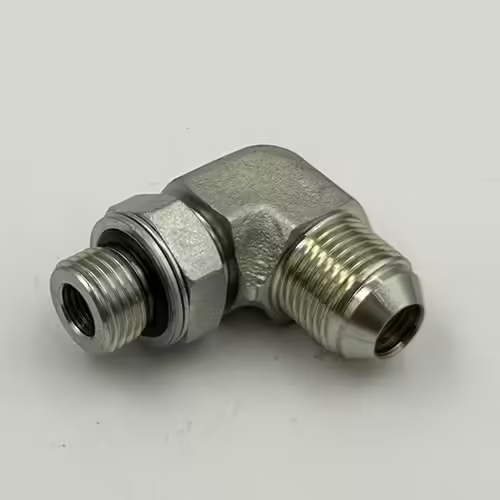
Hydraulic fittings are essential components in any hydraulic system, ensuring secure connections, leak-free performance, and efficient fluid flow. Selecting the right hydraulic fittings is critical to maintaining system reliability, preventing downtime, and maximizing safety in industrial, automotive, and construction applications. This guide covers key factors, types, and maintenance tips to help engineers and system designers make informed choices.
Understanding Hydraulic Fittings
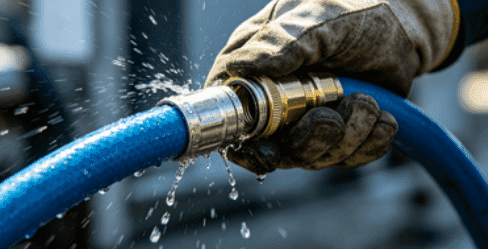
Hydraulic connectors connect hoses, tubes, and pipes in a hydraulic system. They are designed to withstand high pressure, vibration, and chemical exposure while maintaining a leak-proof seal. Choosing the correct fitting ensures system efficiency, reduces wear, and prevents costly failures.
Common types of hydraulic connectors include:
- Straight fittings
- Elbow fittings
- Tee fittings
- Flare fittings
- Compression fittings
Factors to Consider When Choosing Hydraulic Fittings
Pressure Rating
Ensure the hydraulic connector can handle the maximum system pressure. Exceeding pressure limits can cause leaks, ruptures, or system failure. Always select fittings with a safety margin above the system’s operating pressure.
Material Compatibility
Hydraulic connectors come in stainless steel, carbon steel, brass, and aluminum. Choose a material compatible with the hydraulic fluid, environmental conditions, and mechanical stress. Stainless steel is preferred for high-pressure and corrosive environments.
Connection Type
Hydraulic connectors may use threaded, flanged, or push-to-connect designs. Consider ease of installation, maintenance, and system layout when selecting the connection type.
Seal Type
O-rings, ferrules, and compression seals ensure leak-free performance. Proper selection of seal material and type is essential for fluid compatibility and pressure retention.
Application Environment
Consider temperature fluctuations, chemical exposure, and mechanical stress in your system. Harsh environments may require reinforced or high-grade fittings to ensure durability.
Common Types of Hydraulic Fittings
| Fitting Type | Material | Pressure Range | Typical Applications |
|---|---|---|---|
| Straight Fittings | Stainless Steel, Brass | Up to 6000 psi | General hydraulic connections |
| Elbow Fittings | Stainless Steel, Carbon Steel | Up to 5000 psi | Directional changes in fluid flow |
| Tee Fittings | Brass, Carbon Steel | Up to 4000 psi | Branching hydraulic circuits |
| Flare Fittings | Stainless Steel, Brass | Up to 5000 psi | High-pressure hydraulic lines |
| Compression Fittings | Stainless Steel, Brass | Up to 6000 psi | Leak-proof tube and pipe connections |
Maintenance Tips for Hydraulic Fittings
- Regularly inspect fittings for leaks, corrosion, and wear.
- Ensure proper torque during installation; avoid over-tightening.
- Replace damaged or worn fittings promptly.
- Clean connections before assembly to prevent contamination.
- Use compatible hydraulic fluids to prevent seal degradation.
Best Practices for Selecting Hydraulic Fittings


- Always refer to manufacturer specifications for pressure, temperature, and fluid compatibility.
- Choose high-quality fittings from reputable suppliers to ensure reliability.
- Consider future maintenance and ease of access when designing the system.
- Keep spare fittings on hand to reduce downtime during repairs.
- Train personnel in proper installation and inspection techniques.
Conclusion
Choosing the right hydraulic connectors is crucial for system reliability, efficiency, and safety. Consider pressure, material, seal type, and environmental factors while selecting fittings. Proper installation and maintenance further ensure long-term performance and leak-free operation.
FAQ
What are hydraulic fittings used for?
Hydraulic connectors connect hoses, tubes, and pipes in hydraulic systems. They provide leak-free connections, ensure fluid efficiency, and maintain system pressure, making them essential for machinery, industrial, and automotive applications.
How do I choose the right hydraulic fitting?
Select hydraulic connectors based on system pressure, material compatibility, seal type, connection style, and environmental conditions. Proper selection prevents leaks, ensures safety, and prolongs system lifespan.
Can hydraulic connectors handle high pressure?
Yes, hydraulic connectors are designed to withstand high pressures, often up to several thousand psi. Always check the manufacturer’s pressure rating and select fittings with a safety margin above your system’s operating pressure.
How often should hydraulic connectors be inspected?
Inspect hydraulic fittings every 3–6 months or after heavy usage. Look for leaks, corrosion, or wear, and replace damaged fittings promptly to prevent system failure and maintain optimal performance.
What causes hydraulic fittings to fail?
Hydraulic fittings can fail due to over-tightening, vibration, corrosion, incompatible fluids, or worn seals. Regular maintenance, correct installation, and using high-quality fittings reduce the risk of leaks and downtime.
Need Help Choosing the Right Hydraulic Fittings?
If you’re unsure which hydraulic fittings are best for your system or project, our experts are here to help. Contact us today for a personalized consultation, and ensure your hydraulic connections are secure, leak-free, and built for long-term performance. Don’t wait until failures disrupt operations—get in touch now to protect your system and maintain efficiency!