Introduction
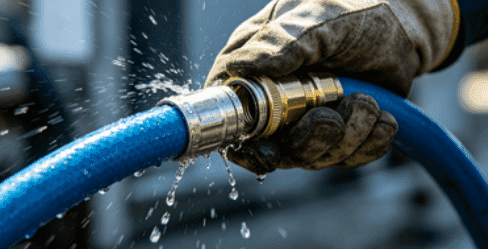
Hydraulic systems are the backbone of modern industrial machinery, powering everything from construction equipment to precision manufacturing systems. Within these systems, 1/2 hydraulic fittings play a critical role in ensuring stable fluid transfer, pressure retention, and operational safety.
According to a 2025 hydraulic engineering industry report published by the Global Fluid Power Association (GFPA), more than 38% of hydraulic system failures are related to improper fitting selection or installation errors, making fittings one of the most critical yet underestimated components.
In high-pressure environments exceeding 300 bar, even microscopic leakage can lead to:
- System efficiency loss of up to 18%
- Increased energy consumption
- Hydraulic oil contamination risks
- Safety hazards in heavy machinery
This guide provides a complete engineering-level breakdown of selection principles, materials, standards, and real-world applications of 1/2 hydraulic fittings in modern industrial systems.
Table of Contents
Engineering Role of 1/2 Hydraulic Fittings in Hydraulic Systems
Pressure Containment Function
Hydraulic fittings maintain system integrity by containing pressurized fluid within sealed pathways. Any failure in this function results in immediate pressure drop and system performance degradation.
Flow Continuity Optimization
Properly engineered fittings reduce internal turbulence and pressure loss, improving hydraulic efficiency by 10–20% in optimized systems.
Vibration Load Absorption
In mobile machinery such as excavators and loaders, fittings must withstand continuous vibration and shock loads without loosening or deforming.
Concept: Fluid Integrity System
Fluid integrity refers to the ability of a hydraulic system to maintain stable pressure, clean fluid conditions, and leak-free operation throughout its lifecycle.
Classification of 1/2 Hydraulic Fittings in Industrial Engineering
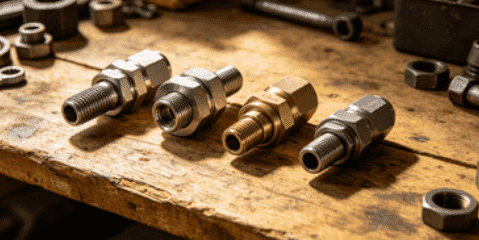
Threaded Connection Systems
Threaded fittings are widely used due to their compatibility and ease of installation. They are suitable for medium-pressure applications and general industrial systems.
Common thread standards include BSP, NPT, and metric ISO threads, each designed for specific regional and engineering requirements.
Flanged Hydraulic Systems
Flanged fittings are used in high-pressure and high-vibration environments. They provide stronger sealing performance and improved structural stability compared to threaded systems.
Compression-Type Systems
Compression fittings rely on mechanical compression for sealing. They are commonly used in maintenance-friendly systems where frequent assembly and disassembly are required.
Quick Coupling Systems
Quick couplers allow fast connection and disconnection of hydraulic lines without fluid leakage, improving maintenance efficiency and operational flexibility.
Material Engineering of 1/2 Hydraulic Fittings
Carbon Steel
Carbon steel fittings are widely used in industrial systems due to their high tensile strength and durability. They are suitable for heavy machinery and high-load applications.
Stainless Steel
Stainless steel offers superior corrosion resistance, making it ideal for marine environments, chemical processing systems, and outdoor installations exposed to moisture or aggressive media.
Brass Alloy
Brass fittings are commonly used in low to medium-pressure systems due to their machinability and stable sealing performance.
Surface Treatment Technologies
Modern hydraulic fittings often use protective coatings such as zinc-nickel plating, phosphate treatment, or PTFE coating to improve corrosion resistance and reduce wear.
Technical Specification Overview
| Parameter | Typical Range | Engineering Impact |
|---|---|---|
| Size | 1/2 inch | Medium-flow hydraulic compatibility |
| Working Pressure | 100–420 bar | Industrial system suitability |
| Burst Pressure | 3–4 times working pressure | Safety margin design |
| Temperature Range | -40°C to 150°C | Environmental adaptability |
| Thread Standards | BSP / NPT / Metric | Global compatibility |
| Leakage Standard | ISO 3601 | Sealing reliability |
| Vibration Resistance | Medium to high frequency | Mobile equipment performance |
Selection Principles for 1/2 Hydraulic Fittings
Pressure Rating Evaluation
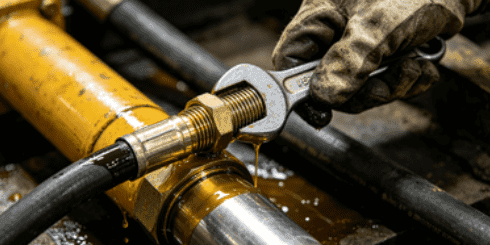
The fitting must match or exceed system working pressure. Underrated components significantly increase failure risk.
Fluid Compatibility Analysis
Different hydraulic fluids require different sealing and material compatibility, especially in synthetic or water-based systems.
Thread Compatibility Matching
Thread mismatch is a leading cause of hydraulic leakage and must be avoided through precise specification matching.
Environmental Condition Assessment
Temperature, vibration, corrosion, and external contamination must all be considered during selection.
Concept: Engineering Compatibility Matrix
This refers to a structured evaluation system that aligns pressure, material, temperature, and vibration factors to ensure optimal fitting selection.
Comparison of Hydraulic Fitting Systems
Threaded vs Flanged
Threaded systems offer flexibility and easy installation, while flanged systems provide higher stability under extreme pressure conditions.
Steel vs Stainless Steel
Steel is preferred for high-strength applications, while stainless steel is selected for corrosion-prone environments.
Compression vs Welded Systems
Compression systems are maintenance-friendly, whereas welded systems offer permanent and highly stable connections.
Real-World Application Cases
Construction Machinery Systems
Hydraulic excavators and loaders use 1/2 hydraulic fittings in boom control systems. Upgrading to precision fittings reduces leakage rates and improves operational stability.
Agricultural Equipment Systems
Tractors and harvesters rely on hydraulic fittings for steering and lifting systems. Proper sealing improves reliability in dusty and outdoor environments.
Industrial Press Systems
High-pressure presses require reinforced fittings to withstand continuous load cycles without fatigue failure.
Hydraulic Failure Mechanism Analysis
Seal Degradation
Caused by temperature variation, chemical exposure, and improper installation torque.
Thread Fatigue
Repeated vibration leads to micro-cracks and eventual leakage.
Fluid Contamination
Particle contamination accelerates internal wear and reduces sealing efficiency.
Industry studies show that contamination is responsible for more than half of hydraulic system failures.
Industry Standards and Compliance
Hydraulic fittings are commonly governed by international engineering standards including ISO 8434, SAE J514, DIN 2353, and ISO 3601. These standards define dimensional accuracy, pressure ratings, and sealing requirements to ensure global interoperability and safety.
Maintenance and Lifecycle Management
Inspection Guidelines
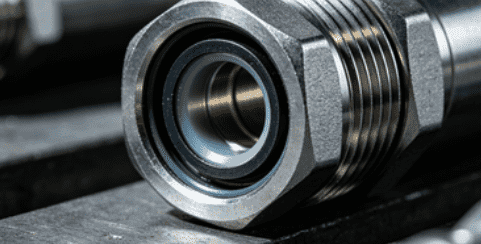
Industrial systems require regular inspection intervals based on operating hours and pressure conditions.
Key Failure Indicators
Common signs include oil leakage, thread deformation, and pressure instability.
Preventive Maintenance Strategy
Includes seal replacement, torque verification, and hydraulic fluid cleanliness control.
Economic Performance Analysis
High-quality 1/2 hydraulic fittings reduce long-term operational costs by minimizing downtime, lowering maintenance frequency, and improving system efficiency. Although initial cost may be higher, lifecycle savings are significant in industrial applications.
Future Development Trends
Smart Hydraulic Systems
Integration of sensors for real-time pressure and leakage monitoring is becoming increasingly common.
Lightweight High-Strength Materials
New alloy technologies reduce weight while maintaining mechanical strength.
Advanced Coating Technologies
Nano-scale coatings improve anti-leak and anti-corrosion performance.
Conclusion
1/2 hydraulic fittings are essential components in modern hydraulic systems, directly influencing performance, safety, and operational efficiency. Proper selection requires understanding pressure ratings, material properties, thread compatibility, and environmental conditions.
With increasing industrial automation and hydraulic system complexity, high-quality fittings are becoming more critical than ever. Optimized selection not only improves system reliability but also reduces maintenance costs and extends equipment lifespan, making it a key factor in modern hydraulic engineering design.
FAQ
What are 1/2 hydraulic fittings used for?
They are used to connect hydraulic components and maintain fluid pressure in hydraulic systems.
What pressure can they handle?
Typically between 100 and 420 bar depending on design and material.
What is the most durable material?
Stainless steel offers the highest corrosion resistance and long service life.
Why do hydraulic fittings fail?
Main causes include improper installation, contamination, and vibration stress.
Can hydraulic fittings be reused?
Some types can be reused if undamaged, but sealing components should always be replaced.
What is the most common selection mistake?
Incorrect thread matching and pressure rating misalignment.