Table of Contents
Introduction
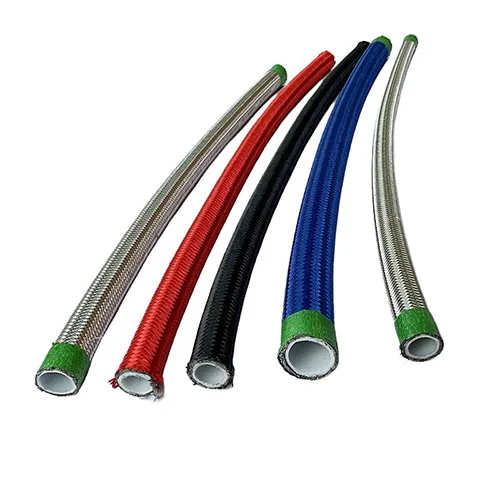
Hydraulic systems are widely used in modern industries to transmit power through pressurized fluid. At the core of these systems is the hydraulic pipe, a key component responsible for transporting hydraulic fluid safely and efficiently between different parts of the system.
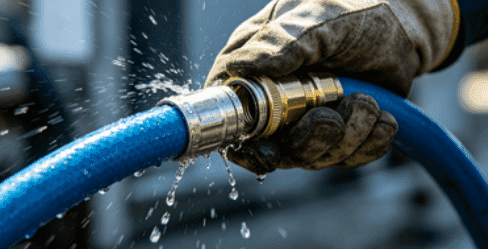
Although often overlooked compared to pumps or valves, hydraulic pipes play a critical role in ensuring system stability, performance, and safety. According to general fluid power engineering references, a significant portion of hydraulic system failures is linked to piping issues such as leakage, pressure loss, or improper material selection.
Understanding the importance of hydraulic pipes helps engineers and system designers build more reliable and efficient systems.
What Is a Hydraulic Pipe
A hydraulic tubing is a rigid or semi-rigid tube designed to carry pressurized hydraulic fluid within a system. It connects components such as pumps, cylinders, valves, and reservoirs, forming a complete fluid power circuit.
Unlike flexible hoses, hydraulic pipes are typically made from metal materials such as carbon steel or stainless steel, allowing them to withstand higher pressure and mechanical stress.
They are commonly used in fixed installations where durability and stability are more important than flexibility.
How Hydraulic Pipe Works in Hydraulic Systems
Hydraulic tubings function as the main transport channels for hydraulic fluid. When the system is activated, fluid is pushed through the pipes under high pressure, transmitting force to different components.
The pipe must maintain structural integrity to prevent leaks or bursts. Even small defects can lead to pressure loss and reduced system efficiency.
Proper pipe sizing, material selection, and installation are essential to ensure smooth fluid flow and stable system operation.
Types of Hydraulic Pipe
There are several types of hydraulic tubings used in industrial systems, each suited for different applications.
Seamless steel pipes are widely used due to their strength and ability to handle high pressure. Welded steel pipes are more cost-effective and suitable for medium-pressure systems.
Stainless steel pipes offer excellent corrosion resistance and are ideal for harsh environments. Coated steel pipes provide additional protection against rust and wear.
Each type is selected based on pressure requirements, environmental conditions, and system design.
Materials Used in Hydraulic Pipe
Material selection is one of the most important factors in hydraulic pipe performance.
Carbon steel is commonly used for its strength and affordability. Stainless steel is preferred in corrosive or high-moisture environments due to its excellent resistance to rust.
In some applications, alloy steel is used to enhance strength and temperature resistance.
According to general materials engineering data, stainless steel pipes significantly extend service life in corrosive environments compared to uncoated steel alternatives.
Why Hydraulic Pipe Is Critical in Modern Systems
Hydraulic tubings are critical because they directly affect system reliability and performance. A well-designed pipe system ensures stable pressure transmission, efficient energy transfer, and minimal fluid loss.
In industrial environments, even minor leakage or pressure drop can lead to reduced productivity or equipment failure. Hydraulic pipes help prevent these issues by providing a stable and durable flow path.
They also contribute to system safety by withstanding high pressure and reducing the risk of rupture or failure under demanding conditions.
Performance Comparison of Hydraulic Pipe Materials
Different materials offer different performance characteristics:
| Material | Strength | Corrosion Resistance | Cost | Application |
|---|---|---|---|---|
| Carbon steel | High | Moderate | Low | General hydraulic systems |
| Stainless steel | High | High | Medium–High | Corrosive environments |
| Alloy steel | Very high | Moderate | High | Heavy-duty systems |
Stainless steel is often preferred for long-term reliability, while carbon steel remains popular for cost-sensitive projects.
Applications of Hydraulic Pipe
Hydraulic tubings are used in a wide range of industries.
In construction machinery, they transmit hydraulic power for lifting and movement. In manufacturing systems, they support automated production lines.
They are also widely used in agricultural machinery, mining equipment, and industrial processing systems.
Their ability to handle high pressure makes them essential in heavy-duty applications.
How to Choose the Right Hydraulic Pipe
Selecting the right hydraulic tubing requires evaluating several key factors.
First, consider the operating pressure of the system. High-pressure systems require thicker and stronger pipes.
Next, evaluate material compatibility with the hydraulic fluid and environment.
Pipe size and diameter must also be correctly matched to ensure proper flow rate and system efficiency.
Finally, consider installation conditions such as temperature, vibration, and exposure to corrosion.
Common Problems and Troubleshooting
Hydraulic tubings can face several issues if not properly designed or maintained.
Leakage is a common problem, often caused by improper installation or worn connections. Pressure loss may occur due to internal blockages or pipe damage.
Corrosion is another major issue, especially in environments with moisture or chemicals.
Regular inspection and proper material selection can help prevent these problems.
Installation and Maintenance Best Practices
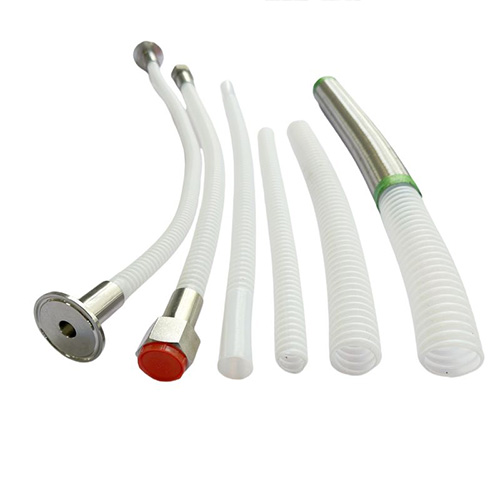
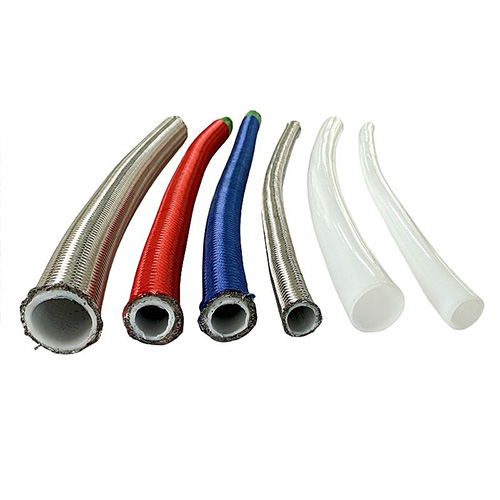
Proper installation is essential for hydraulic tubing performance.
Pipes should be aligned correctly and securely fastened to prevent vibration damage. All connections must be sealed properly to avoid leakage.
During operation, regular inspection is necessary to detect early signs of wear, corrosion, or damage.
Cleaning and timely replacement of damaged sections help extend system lifespan.
Conclusion
Hydraulic pipes are a fundamental part of modern hydraulic systems, ensuring stable fluid transmission, system efficiency, and operational safety. Their role in maintaining pressure integrity and preventing failure makes them indispensable in industrial applications.
By selecting the right material, size, and design, and following proper installation practices, you can significantly improve system performance and reliability.
FAQ
What is a hydraulic pipe used for?
A hydraulic tubing is used to transport pressurized hydraulic fluid between components such as pumps, valves, and cylinders. It ensures stable power transmission in hydraulic systems and is widely used in industrial machinery, construction equipment, and manufacturing systems where reliable fluid flow and high pressure resistance are required.
How do you choose the right hydraulic tubing?
Choosing the right hydraulic tubing depends on pressure rating, pipe diameter, material type, and operating environment. You should also consider fluid compatibility and temperature conditions. Proper selection ensures safe operation, prevents leakage, and improves overall system efficiency and service life.
What materials are hydraulic tubings made from?
Hydraulic tubings are commonly made from carbon steel, stainless steel, and alloy steel. Carbon steel is cost-effective and strong, stainless steel offers excellent corrosion resistance, and alloy steel provides enhanced performance in high-pressure and high-temperature applications depending on system requirements.
What is the difference between hydraulic pipe and hydraulic hose?
A hydraulic pipe is rigid and used in fixed installations where high strength and stability are needed, while a hydraulic hose is flexible and used in systems requiring movement or vibration absorption. Pipes generally handle higher pressure, while hoses offer installation flexibility.
How do you prevent hydraulic pipe failures?
Hydraulic pipe failures can be prevented by selecting the correct material and size, ensuring proper installation, and performing regular maintenance. Avoiding corrosion, checking for leaks, and maintaining correct pressure levels also help extend system life and improve operational safety and reliability.
Need Help Choosing the Right Hydraulic Pipe?
If you’re unsure which hydraulic pipe is best for your system, pressure requirements, or industrial application, our experts are here to help. Contact us today for a personalized consultation and get reliable, high-strength, and cost-effective solutions tailored to your needs. Don’t wait until leaks or system failures impact your operation—get in touch now to ensure safety, efficiency, and long-term performance in your hydraulic systems!