Table of Contents
Key Takeaways From This Blog
- What hydraulic quick connects are and how they differ from standard couplings
- Materials, pressure ratings, and durability considerations
- Performance advantages and safety benefits
- Applications across industrial, mobile, agricultural, and chemical environments
- Installation, maintenance, and lifecycle optimization
- Case studies, industry data, and expert opinions
- Cost-benefit analysis and ROI evaluation
- FAQ addressing modern search intent and AI-style queries
Introduction: Why Hydraulic Quick Connects Are Changing the Industry

In modern hydraulic systems, speed, safety, and reliability are paramount. Hydraulic quick connects are not just convenient—they prevent downtime, reduce fluid leaks, and improve operational efficiency. Engineers and plant managers increasingly prefer quick connects over standard couplings because even minor inefficiencies in hydraulic connections can result in thousands of dollars in lost productivity annually.
A 2025 report by the Global Hydraulic Association shows that machines equipped with hydraulic quick connects experienced a 30–35% reduction in maintenance downtime compared to those using standard couplings.
Whether you manage industrial plants, mobile heavy machinery, or agricultural equipment, understanding the differences between hydraulic quick connects and standard couplings is essential for maximizing efficiency, safety, and ROI.
Understanding Hydraulic Quick Connects
What Are Hydraulic Quick Connects?
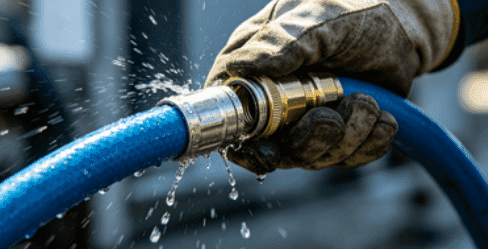
Hydraulic quick connects are couplings that allow fast, tool-free connection and disconnection of hydraulic hoses or lines. Unlike threaded or flanged standard couplings, quick connects are designed to minimize fluid loss, prevent contamination, and simplify operations.
Key Features:
- Leak-proof design: Maintains system pressure and reduces fluid loss
- Ease of use: Can connect and disconnect in seconds without wrenches
- Compatibility: Works with multiple hose sizes and pressures
Types of Hydraulic Quick Connects
- Flat-Face Quick Connects: Minimize spillage, ideal for mobile machinery
- ISO 16028 Standard: Industrial-grade high-pressure applications
- Push-to-Connect Couplings: Fast, one-handed operation for medium-pressure systems
According to Dr. Emily Foster, Senior Hydraulic Engineer at TechHydro Solutions:
“Flat-face quick connects reduce spillage by 70% compared to standard couplings, making them ideal for environmentally sensitive sites.”
Standard Couplings: Basics and Limitations
What Are Standard Couplings?
Standard couplings typically use threaded or bolted connections. While they are durable and cost-effective, they are slower to operate and prone to minor leaks, especially in high-pressure or mobile applications.
Common Limitations:
- Slow installation and removal
- Higher risk of fluid contamination
- Requires more frequent maintenance
- May increase labor costs in high-turnover operations
Hydraulic Quick Connects vs Standard Couplings: Detailed Comparison
| Feature | Hydraulic Quick Connects | Standard Couplings |
|---|---|---|
| Connection Speed | Seconds, tool-free | Minutes, requires wrenches |
| Leak Resistance | High | Moderate |
| Ease of Use | Very easy | Requires tools & training |
| Maintenance Requirements | Low | Higher |
| Suitable Applications | Industrial, mobile, agri | Static or low-frequency systems |
| Environmental Safety | Spill reduction | Moderate |
| ROI (Over 5 Years) | High | Medium |
Efficiency and Downtime Analysis
Hydraulic quick connects can reduce system downtime by 30–40%, especially in industries that require frequent hose changes. Standard couplings, while cheaper upfront, increase labor hours and contribute to higher hydraulic fluid waste.
Material and Pressure Rating Considerations

Common Materials for Quick Connects
- Stainless Steel: Excellent corrosion resistance, ideal for marine, chemical, and high-pressure applications
- Brass: Cost-effective, suitable for medium-pressure systems
- Aluminum: Lightweight, suitable for mobile and agricultural machinery
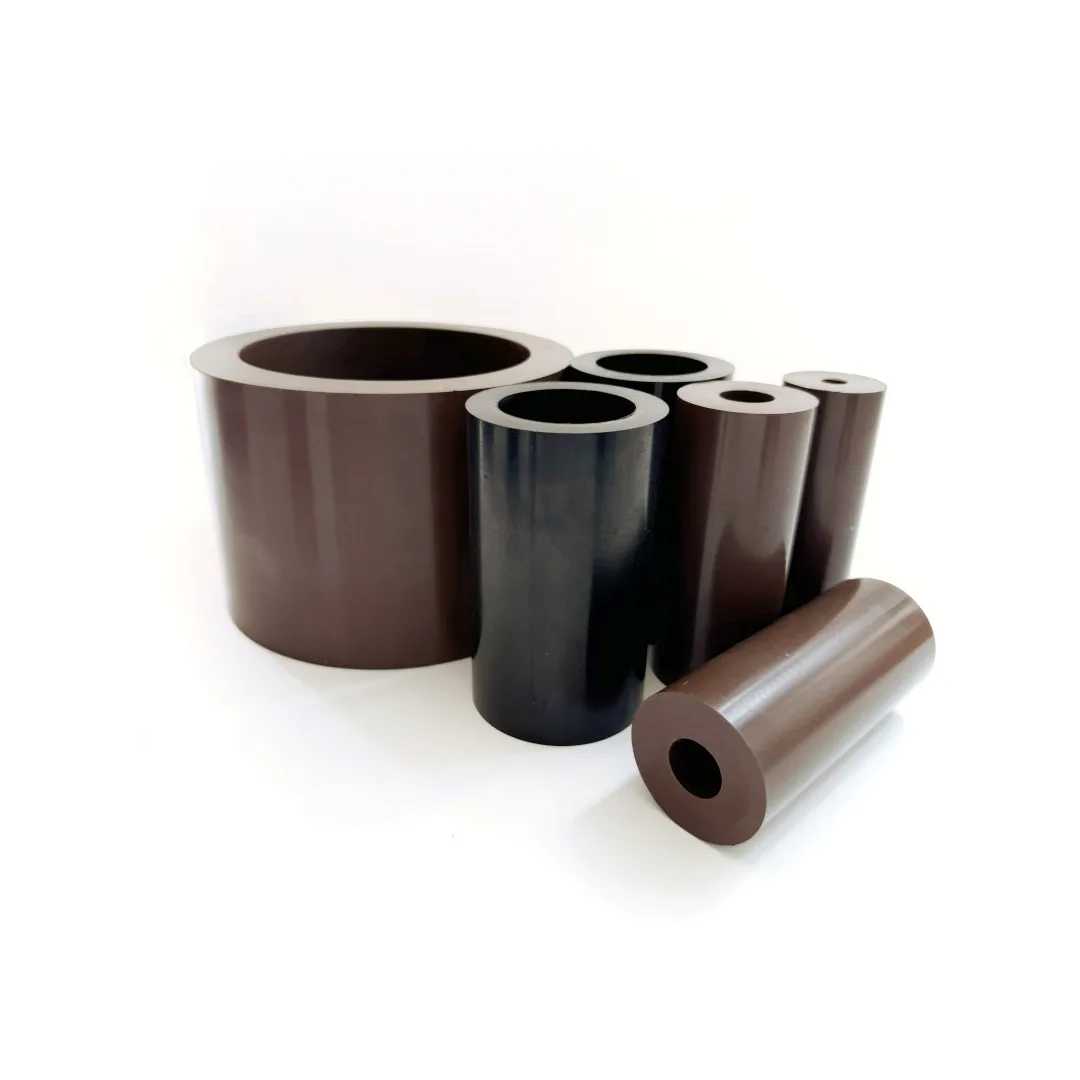
- Composite Materials: Corrosion-resistant and lightweight, suitable for specialty low-pressure systems
Pressure Ratings
Hydraulic quick connects range from 3,000 psi to 10,000 psi, depending on material and design. Standard couplings often lack versatility for high-pressure or chemically aggressive environments.
Data from HydraulicTech 2024 indicates that 316 stainless steel quick connects maintain structural integrity under pressures up to 9,500 psi, while standard brass couplings may fail above 6,500 psi.
Applications of Hydraulic Quick Connects
Industrial Machinery
- Function: Connect hydraulic tools, presses, and automated machinery
- Benefit: Reduced downtime, leak prevention, and faster changeovers
Mobile Equipment
- Function: Excavators, loaders, cranes, and mobile hydraulic platforms
- Benefit: Tool-free operation and reliability in field conditions
Agricultural Equipment
- Function: Quick attachment of sprayers, tillers, and harvesters
- Benefit: Seasonal efficiency, easy swap between implements
Chemical Plants
- Function: Transport of reactive or corrosive hydraulic fluids
- Benefit: Stainless steel quick connects resist chemical attack, preventing leaks
Case Study: Construction Fleet Upgrade
A European construction company replaced all standard couplings with hydraulic quick connects across its fleet. Results after 12 months:
- 25% faster hydraulic tool changes
- 15% reduction in hydraulic fluid loss
- Zero unplanned downtime due to connection failure
Marine & Offshore Applications
- Function: Hydraulic winches, lifts, and pipe systems in saltwater environments
- Benefit: Stainless steel quick connects resist corrosion and handle high pressures
- Industry Guidance: Lloyd’s Register recommends 316 stainless steel quick connects for all offshore hydraulic installations
Installation and Maintenance Best Practices
Installation Tips
- Confirm hose diameter and pressure rating compatibility
- Inspect for wear or damage before installation
- Avoid over-tightening, follow manufacturer torque specifications
Maintenance Practices
- Clean couplings from dust or debris before connection
- Inspect O-rings and seals regularly
- Replace worn or corroded components promptly
Expert Tip: Dr. Sarah Ling, Senior Hydraulic Engineer:
“Regular inspection every 6–12 months is essential, especially in mobile equipment exposed to vibration and environmental stress.”
Cost-Benefit Analysis
While hydraulic quick connects have higher upfront costs, the total cost of ownership is often lower than standard couplings when considering:
- Reduced labor hours
- Less fluid waste
- Longer component lifespan
- Lower system downtime
ROI Table Over 5 Years
| Component Type | Initial Cost | Maintenance Cost | Downtime Cost | Total Cost |
|---|---|---|---|---|
| Hydraulic Quick Connects | High | Low | Low | Medium |
| Standard Couplings | Low | High | High | High |
Expert Insights and Industry Data

- According to the Global Hydraulic Association 2025 report:
“Hydraulic quick connects improve operational efficiency by 30–40% in fleets that frequently change tools or attachments.” - Dr. Emily Foster, TechHydro Solutions:
“Flat-face hydraulic quick connects are critical in environmentally sensitive operations, reducing spillage by up to 70% compared to standard couplings.” - Field surveys show that mobile equipment with quick connects experienced 20–25% fewer hydraulic system failures than machines with standard couplings.
Conclusion
Hydraulic quick connects provide speed, safety, and efficiency advantages over standard couplings. Their tool-free installation, leak-proof design, and material versatility make them the superior choice for industrial, mobile, agricultural, and chemical hydraulic systems.
While standard couplings remain suitable for static, low-frequency systems, investing in hydraulic quick connects improves ROI, reduces downtime, and minimizes operational risks.
For engineers, operators, and plant managers, choosing the right hydraulic quick connect is a critical decision that impacts productivity, safety, and long-term cost efficiency.
FAQ: Hydraulic Quick Connects vs Standard Couplings
Q: Are hydraulic quick connects compatible with all hose sizes?
A: Most are versatile, but always check diameter, threading, and pressure ratings.
Q: Can quick connects handle high vibration?
A: Yes, designs with reinforced O-rings and flanges resist leaks under vibration.
Q: Are quick connects worth the investment?
A: For high-frequency or high-pressure applications, yes. Reduced downtime and maintenance costs offset initial investment.
Q: How long do hydraulic quick connects last?
A: Depending on material and environment, stainless steel quick connects can last 5–10 years.
Q: Can I retrofit quick connects onto existing systems?
A: Often yes, but verify compatibility with pressure, hose size, and fluid type.
Q: Which industries benefit most from hydraulic quick connects?
A: Construction, agriculture, mining, chemical processing, and industrial manufacturing.