Blog Overview: Key Points
Before diving in, here’s what this blog will cover:
- Understanding what a 3 way hose connector is and why it matters
- How to maximize water flow efficiently for different applications
- Comparing materials, designs, and features to make the right choice
- Practical installation, usage tips, and common mistakes
- Maintenance, seasonal care, and troubleshooting
- Frequently asked questions reflecting real user concerns
- A comparison table for quick reference
This guide is ideal for homeowners, gardeners, DIY enthusiasts, and anyone looking to enhance water management efficiency while making smart purchasing decisions.
Table of Contents
Introduction
Water management is one of the most overlooked aspects of home gardening, car washing, and outdoor irrigation. Many people assume that simply attaching hoses to a faucet is sufficient. However, anyone who has experienced uneven water flow, weak pressure, or leaks knows the frustration that comes with improper setup.
A 3 way hose connector is a simple yet powerful solution that can transform your water distribution. By allowing one water source to feed three separate hoses, it provides versatility, efficiency, and convenience. But not all connectors are created equal. Incorrect installation, poor material choice, or mismatched hose sizes can drastically reduce performance.
According to gardening expert and engineer Marco Rossi:
“A high-quality 3 way hose connector can save hundreds of liters of water monthly by distributing flow effectively and preventing wastage. It’s a small investment with a huge operational impact.”
This article will guide you through everything you need to know about maximizing water flow with a 3 way hose connector, including concepts, comparisons, installation best practices, and common pitfalls.
Understanding the 3 Way Hose Connector
What is a 3 Way Hose Connector?
A 3 way hose connector is a device that splits a single water source into three separate outlets. It allows independent control over each outlet via individual valves. These connectors come in various materials such as plastic, brass, and aluminum, and feature threaded or quick-connect designs.
They are used in multiple scenarios including:
- Gardens with multiple watering zones
- Car washing stations with multiple hoses
- Small irrigation projects for lawns or flower beds
By understanding the basics, you can choose a connector that meets your needs and ensures efficient water flow.
Components and Functionality
- Main Body: Connects directly to the water source and houses internal valves.
- Outlet Valves: Allow individual control for each hose, enabling simultaneous or selective use.
- Seals and Gaskets: Prevent leaks and maintain water pressure across all outlets.
Proper understanding of each component helps prevent mistakes that reduce water efficiency.
How to Maximize Water Flow with 3 Way Hose Connector

Installation Techniques
Proper installation is critical to maintaining strong water flow:
- Ensure tight connections: Avoid leaks but don’t overtighten.
- Match hose diameters: Using hoses with varying diameters can create bottlenecks.
- Minimize bends and kinks: Sharp bends reduce pressure at outlets.
By following these steps, you can maximize water output and efficiency.
Valve Management
Adjusting each outlet valve allows control of flow distribution:
- Open all valves gradually to prevent sudden pressure drops
- Prioritize outlets based on usage requirements
- Avoid overloading the connector beyond recommended flow rates
Hose Length Considerations
Hoses of differing lengths can result in uneven pressure distribution. Keeping hoses similar in length ensures consistent water flow across all outlets.
Comparing Materials and Designs
Plastic vs. Brass 3 Way Hose Connectors
| Feature | Plastic Connector | Brass Connector | Recommendation |
|---|---|---|---|
| Durability | Moderate | High | Brass preferred for longevity |
| Price | Low | Medium-High | Plastic suitable for casual use |
| Water Flow Efficiency | Good | Excellent | Brass maintains better pressure |
| UV & Weather Resistance | Moderate | Excellent | Brass withstands outdoor elements |
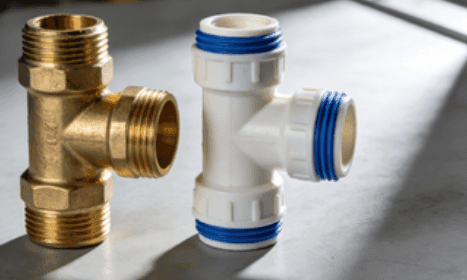
Plastic connectors are lightweight and budget-friendly but may wear faster. Brass connectors are stronger, maintain better pressure, and resist corrosion.
Inline vs. Threaded Designs
- Inline: Provides smoother water flow, easier to attach, and reduces turbulence.
- Threaded: Offers secure connections, slightly more restrictive to flow due to thread friction.
Choosing the right design depends on your priorities: consistent flow vs. connection security.
Multi-Outlet Comparisons
Some connectors allow adjustable outlets (e.g., 2-way vs 3-way vs 4-way). More outlets increase versatility but may reduce pressure at each outlet if all are used simultaneously. Balancing needs vs. water source capacity is key.
Practical Tips for Effective Use
Avoiding Common Flow Issues
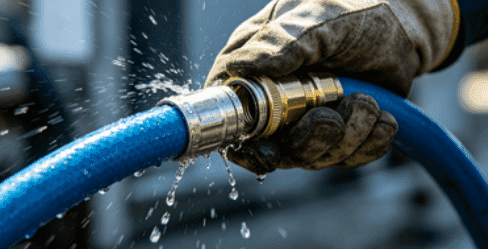
- Inspect connections for leaks regularly
- Prevent hose kinks by using hose guides or reels
- Replace worn gaskets or seals promptly
Seasonal Maintenance
- Drain connectors before winter to avoid freezing damage
- Lubricate valves for smooth operation
- Store in a shaded, dry area to extend lifespan
Quick Setup Checklist
- Attach connector securely to faucet
- Connect hoses of similar length
- Gradually open valves for balanced pressure
- Adjust individual outlets for specific tasks
Water Flow Efficiency Concepts
Flow Rate Basics
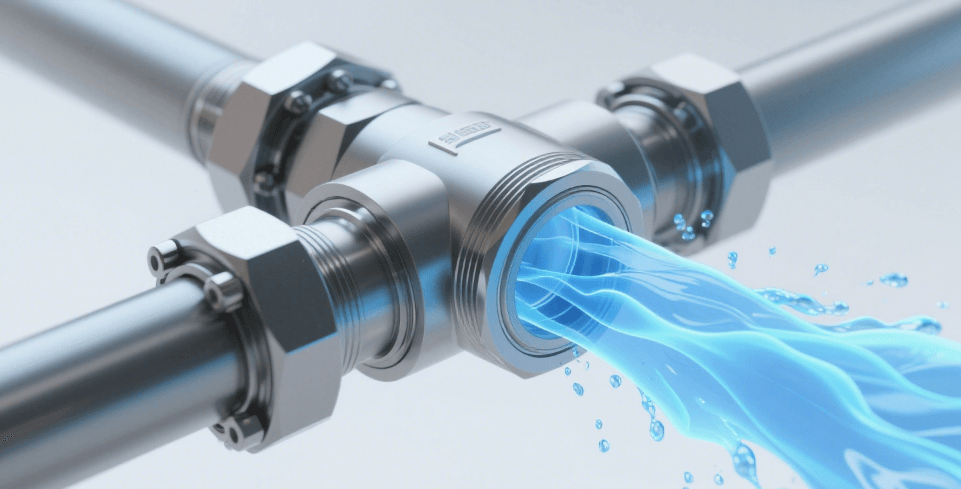
The flow rate is measured in liters per minute (L/min) or gallons per minute (GPM). A typical garden faucet provides 15–25 L/min. A 3 way hose connector should allow close to this total flow without significant loss.
Pressure Considerations
- Water pressure decreases with multiple outlets
- Properly sized hoses and high-quality connectors reduce pressure drop
- Brass connectors maintain pressure better than plastic due to internal smooth surfaces
How Valve Control Impacts Flow
Balancing the valves can optimize pressure: opening one fully while partially closing others maintains flow where needed. This is particularly useful for simultaneous tasks like watering and washing.
Installation and Usage Best Practices
Proper Alignment
Ensure all hoses are aligned without sharp bends. This minimizes turbulence and maintains steady water output.
Regular Inspection
- Check for leaks or cracks monthly
- Test flow rate at each outlet
- Replace damaged seals immediately
Pressure Testing
Use a simple flow meter to measure L/min at each outlet. This ensures the connector is performing efficiently.
Common Mistakes to Avoid
- Using mismatched hose sizes
- Overloading outlets beyond capacity
- Neglecting seasonal maintenance
- Ignoring gaskets or valve lubrication
Correcting these mistakes improves longevity and water efficiency.
Comparison Table of Popular 3 Way Hose Connectors
| Connector Type | Material | Max Flow Rate (L/min) | Durability | Price | Recommended Use |
|---|---|---|---|---|---|
| Standard Plastic 3-Way | Plastic | 12–18 | Medium | $10 | Casual Gardening |
| Premium Brass 3-Way | Brass | 20–25 | High | $25 | Professional/Garden |
| Inline 3-Way Quick | Aluminum | 15–22 | High | $20 | Multiple Outlets, DIY |
Conclusion
A 3 way hose connector is an essential tool for efficient water management in gardens, DIY projects, and outdoor tasks. By understanding installation techniques, flow dynamics, material choice, and maintenance, you can maximize water flow, save time, and prevent common issues.
Brass connectors provide durability and efficiency, while plastic connectors offer affordability for casual use. Balancing valves, maintaining hoses, and regular inspection ensures the system works effectively.
By following these guidelines and considering the comparison data, you can achieve optimal performance and enjoy the convenience of distributing water to multiple areas simultaneously.
FAQ
Can I connect more than three hoses?
No, a standard 3 way hose connector is designed for three outlets. For more hoses, consider adding another connector or using a manifold system.
Will opening all outlets reduce water pressure?
Yes, opening all outlets fully can lower pressure. Adjust valves to maintain sufficient flow.
Should I choose plastic or brass?
Brass is better for durability and higher flow efficiency, especially for long-term or professional use. Plastic is suitable for occasional garden tasks.
How can I prevent leaks?
Tight connections, checking gaskets, and avoiding overtightening are essential. Replace worn parts promptly.
Can I water my garden and wash my car at the same time?
Yes, but manage valves carefully to ensure adequate pressure for both tasks.
How do I know if my connector is efficient?
Use a flow meter to measure output at each outlet. High-quality brass connectors usually maintain near-source flow rates.