Table of Contents
Introduction
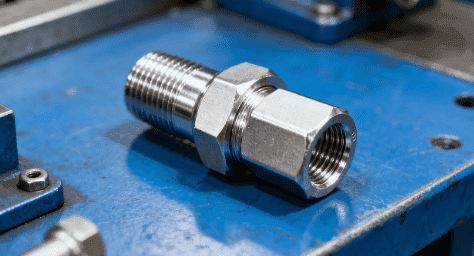
In hydraulic systems, the choice of materials plays a crucial role in ensuring optimal performance, longevity, and safety. One material that has gained widespread use in hydraulic fittings is stainless steel, also known as material inox. Its exceptional properties, such as corrosion resistance, strength, and durability, make it ideal for demanding environments. However, not all inox materials are the same, and understanding the different types available can help businesses choose the right one for their specific needs.
In this blog, we will explore the top four types of material inox used in hydraulic fittings, their properties, applications, and how to choose the best one for your hydraulic system.
What is Material Inox and Why is It Used in Hydraulic Fittings?
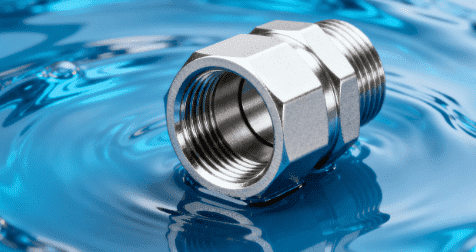
Material inox, commonly referred to as stainless steel, is an alloy primarily composed of iron, chromium, and nickel. It is renowned for its resistance to corrosion and rust, making it highly suitable for hydraulic fittings, which must withstand high pressure, corrosive fluids, and extreme temperatures. The term material inox can refer to a variety of stainless steel grades, each offering unique properties suited to different hydraulic applications.
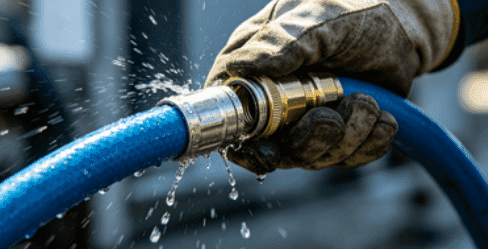
Hydraulic fittings are used to connect and seal hydraulic pipes, ensuring fluid flow within a system. Choosing the right material for these fittings is essential to maintain performance and extend the lifespan of the system. The corrosion resistance, mechanical strength, and heat resistance of inox materials make them the preferred choice for hydraulic fittings across various industries.
Top 4 Types of Material Inox in Hydraulic Fittings
When selecting the right material inox for hydraulic fittings, it is important to understand the different grades of stainless steel available and their unique characteristics. Below, we will cover the top four types commonly used in hydraulic applications.
1. 304 Stainless Steel for Hydraulic Fittings
304 stainless steel is one of the most widely used types of material inox for hydraulic fittings. This grade of stainless steel contains 18% chromium and 8% nickel, making it highly resistant to corrosion and oxidation. It is especially effective in applications where the material will be exposed to atmospheric conditions, fresh water, and mild chemicals.
Properties:
- Excellent corrosion resistance in most environments.
- Good weldability and formability.
- Cost-effective compared to other inox materials.
Applications in Hydraulic Fittings:
304 stainless steel is commonly used for hydraulic fittings in industries such as food processing, pharmaceuticals, and manufacturing, where moderate levels of corrosion resistance are needed, but the environment is not extremely harsh.
2. 316 Stainless Steel for Hydraulic Fittings
316 stainless steel is considered a step up from 304 stainless steel in terms of corrosion resistance. This alloy contains 16% chromium, 10% nickel, and 2% molybdenum, which provides superior resistance to chlorides and other corrosive chemicals. This makes it particularly suitable for hydraulic fittings in marine, chemical, and highly corrosive environments.
Properties:
- Superior corrosion resistance, especially in chloride environments.
- Enhanced strength and durability.
- Resists pitting and crevice corrosion.
Applications in Hydraulic Fittings:
316 stainless steel is widely used in hydraulic systems within marine, pharmaceutical, and chemical industries, where resistance to aggressive chemicals and saltwater is essential.
3. 304L Stainless Steel for Hydraulic Fittings
304L stainless steel is a low-carbon version of 304 stainless steel, designed to minimize the risk of carbide precipitation during welding. This makes 304L a suitable choice for applications that involve welding or heat treatment, such as hydraulic fittings that require precise construction or modification.
Properties:
- Low carbon content reduces carbide precipitation.
- Good corrosion resistance similar to 304 stainless steel.
- Ideal for welded joints.
Applications in Hydraulic Fittings:
304L is commonly used in hydraulic systems where high welding performance is required, such as in industries like aerospace and automotive manufacturing.
4. 2205 Duplex Stainless Steel for Hydraulic Fittings
2205 duplex stainless steel is a combination of both austenitic and ferritic stainless steels, offering enhanced strength and improved resistance to stress corrosion cracking. The high chromium, molybdenum, and nitrogen content make 2205 a top choice for extremely harsh environments.
Properties:
- Excellent resistance to corrosion, particularly in chloride-rich environments.
- High tensile strength and resistance to pitting and crevice corrosion.
- More resistant to stress corrosion cracking compared to 304 and 316 stainless steels.
Applications in Hydraulic Fittings:
2205 duplex stainless steel is ideal for high-pressure hydraulic systems, offshore applications, and industries requiring both high strength and resistance to corrosion, such as oil and gas or marine engineering.
Choosing the Right Material Inox for Your Hydraulic Fittings
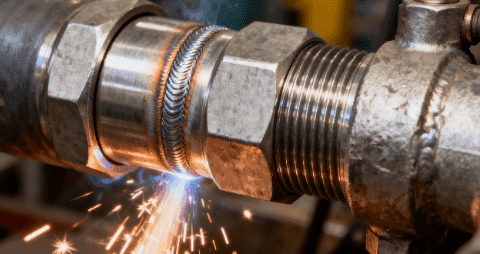
Selecting the right type of material inox for hydraulic fittings depends on various factors, including the operating environment, pressure, temperature, and exposure to corrosive substances. Here are some considerations when choosing the best inox material:
Corrosion Resistance
If your hydraulic system operates in a highly corrosive environment (e.g., saltwater or chemical exposure), choosing materials like 316 or 2205 duplex stainless steel will provide the durability needed.
Strength Requirements
For high-pressure systems, 2205 duplex stainless steel is a superior choice due to its excellent tensile strength. However, for moderate pressures, 304 or 316 stainless steel will suffice.
Cost Considerations
304 stainless steel is often the most cost-effective option for general-purpose hydraulic fittings, while materials like 316 or 2205 are more expensive but offer superior performance in specific applications.
Weldability
If your hydraulic fittings require welding, materials like 304L stainless steel should be considered, as they offer better weldability with reduced risk of corrosion at welded joints.
Hydraulic Fittings Material Selection Table
Here is a summary table outlining the key properties of the top four inox materials used in hydraulic fittings:
| Material | Corrosion Resistance | Strength | Cost | Best For |
|---|---|---|---|---|
| 304 Stainless Steel | Moderate | Moderate | Low | Food Processing, Manufacturing |
| 316 Stainless Steel | High | High | Medium | Marine, Chemical Processing |
| 304L Stainless Steel | Moderate | Moderate | Medium | Aerospace, Automotive, Welded Fittings |
| 2205 Duplex Stainless Steel | Very High | Very High | High | Oil & Gas, High-Pressure Systems |
How Inox Materials Affect the Cost of Hydraulic Fittings
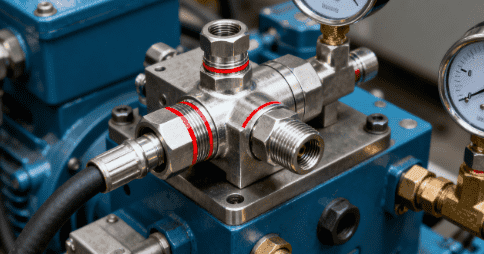
When selecting hydraulic fittings, the material cost is a crucial factor. The material choice impacts not only the price of individual components but also the performance, maintenance, and durability of the system. Here’s how different inox materials affect the overall cost.
Corrosion Resistance and Cost
Corrosion resistance directly influences material pricing. Materials that are more resistant to corrosion, especially in harsh environments, tend to be more expensive. Here’s a breakdown of common inox materials:
- 304 Stainless Steel: Cost-effective, good corrosion resistance for moderate environments (e.g., fresh water, dry air).
- 316 Stainless Steel: More expensive, better corrosion resistance, ideal for marine, chemical, and saltwater environments.
- 2205 Duplex Stainless Steel: Highest cost, excellent resistance to stress corrosion cracking, suitable for extreme environments like offshore or chemical processing.
Strength and Durability
Higher strength materials are typically more expensive but can save costs in the long run by preventing premature failure. Consider the following materials:
- 304 Stainless Steel: Moderate strength, suitable for general applications but may not perform well under high-pressure conditions.
- 316 Stainless Steel: Improved strength and durability, ideal for moderately high-pressure systems.
- 2205 Duplex Stainless Steel: Superior strength, best for high-pressure and heavy-duty applications.
Maintenance and Lifecycle Costs
While initial costs vary, long-term maintenance is a key factor in the total cost of hydraulic fittings. The more durable the material, the less often it needs to be replaced or repaired.
- 304 Stainless Steel: Requires more maintenance in corrosive environments, leading to higher lifecycle costs.
- 316 Stainless Steel: Longer lifespan, fewer replacements due to superior corrosion resistance.
- 2205 Duplex Stainless Steel: Low maintenance due to exceptional strength and resistance, ideal for long-term use in harsh environments.
Fabrication and Installation Costs
The ease of fabrication can also impact the overall cost. Some inox materials are easier to weld or shape, which reduces installation costs:
- 304 Stainless Steel: Easier to weld and fabricate, resulting in lower installation costs.
- 316 Stainless Steel: Slightly harder to work with but still manageable for most applications.
- 2205 Duplex Stainless Steel: More challenging to weld and fabricate, which can increase installation costs.
Additional Considerations:
- Weldability: 304 stainless steel is the easiest to weld, lowering production costs.
- Environmental Regulations: Regions with strict environmental laws may require more expensive materials like 316 or 2205 for compliance.
Conclusion
The choice of material inox for hydraulic fittings plays a pivotal role in ensuring the longevity, performance, and safety of hydraulic systems. Understanding the key properties of 304, 316, 304L, and 2205 stainless steels will help you make an informed decision based on the specific requirements of your hydraulic application.
By carefully considering factors such as corrosion resistance, strength, and cost, you can choose the most appropriate inox material for your hydraulic fittings, optimizing system performance and reducing maintenance costs.
FAQ
Q1: What is the best material inox for high-pressure hydraulic systems?
A: 2205 duplex stainless steel is the best choice for high-pressure hydraulic systems due to its superior tensile strength and resistance to stress corrosion cracking.
Q2: Can 304 stainless steel be used for hydraulic fittings in marine environments?
A: While 304 stainless steel offers good corrosion resistance, 316 stainless steel is a better option for marine environments due to its enhanced resistance to saltwater corrosion.
Q3: How does 304L differ from 304 stainless steel in hydraulic fittings?
A: 304L stainless steel has a lower carbon content, which reduces the risk of carbide precipitation during welding, making it a better option for welded hydraulic fittings.
Q4: What are the cost differences between the inox materials used for hydraulic fittings?
A: 304 stainless steel is the most cost-effective option, while 316 and 2205 duplex stainless steel are more expensive due to their superior properties and resistance to harsh environments.