Table of Contents
Introduction
Crimp hydraulic fittings play a crucial role in hydraulic systems across multiple industries, including manufacturing, construction, chemical processing, offshore operations, and automation. These fittings ensure secure hose connections, prevent fluid leaks, and maintain system pressure under extreme operating conditions. Selecting the right crimp hydraulic fittings not only impacts system performance but also affects operational safety, maintenance costs, and equipment longevity. This article delves into the top six powerful crimp hydraulic fittings options, explores their materials, applications, installation practices, and provides a comprehensive guide for B2B buyers seeking reliable hydraulic solutions.
Understanding Crimp Hydraulic Fittings
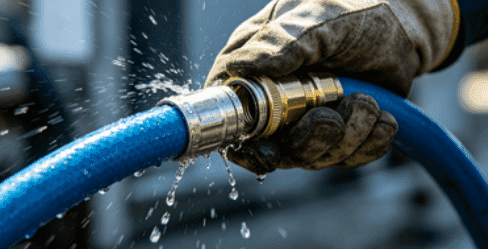
Crimp hydraulic fittings are specialized mechanical connectors used to join hydraulic hoses and tubes to system components such as pumps, cylinders, valves, and manifolds. Unlike threaded fittings, crimped fittings are permanently deformed around the hose, creating a secure, leak-free connection capable of withstanding high-pressure conditions. This makes them essential in environments where reliability is critical, such as mobile machinery, industrial equipment, and fluid power systems.
A small but important fact: crimped fittings are designed to reduce the risk of hose blowouts. In real-world applications, construction equipment like excavators or mobile cranes rely on crimp hydraulic fittings to maintain stable hydraulic pressure while operating under high load conditions. A single fitting failure in such a system can halt operations and even pose safety hazards, which is why proper material and installation are crucial.
Materials and Their Impact
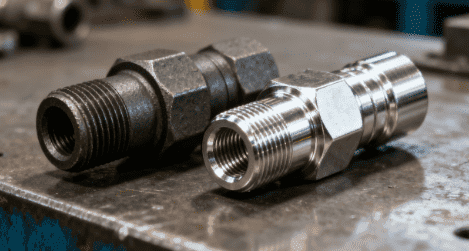
The material of crimp hydraulic fittings plays a decisive role in their performance, longevity, and suitability for specific environments. The two most commonly used materials are carbon steel and stainless steel.
Carbon Steel
Carbon steel is known for its high strength, affordability, and versatility, making it the go-to choice for general industrial applications. It performs well under moderate pressures and is often coated with zinc or other protective layers to improve corrosion resistance.
Example: Many manufacturing plants use carbon steel crimp fittings in assembly line hydraulic presses. These fittings maintain integrity under repetitive pressure cycles and moderate exposure to lubricants and water, while keeping costs low.
Tip: For applications with occasional exposure to moisture or chemicals, carbon steel fittings can be treated with anti-corrosion coatings. However, in extremely harsh or saltwater environments, carbon steel may not be the ideal choice.
Stainless Steel
Stainless steel fittings offer exceptional corrosion resistance and are ideal for harsh and demanding environments such as chemical processing plants, offshore rigs, and marine applications. They can withstand extreme temperatures, aggressive fluids, and constant exposure to humidity without compromising system integrity.
Example: In offshore oil platforms, stainless steel crimp fittings are standard because they resist saltwater corrosion, ensuring the hydraulic system can operate safely for years without frequent replacements. In chemical plants, stainless steel fittings prevent degradation when handling acids or alkaline fluids.
Fact: Stainless steel crimp hydraulic fittings are often preferred in critical systems because they combine high-pressure tolerance with resistance to both corrosion and wear. While more expensive than carbon steel, the long-term reliability often justifies the investment.
Material Selection Tips:
- For moderate pressure, non-corrosive environments: Carbon steel is cost-effective and reliable.
- For high-pressure, corrosive, or outdoor environments: Stainless steel ensures safety and longevity.
- Consider operating temperature, type of hydraulic fluid, and expected system lifetime when choosing the material.
Types and Applications
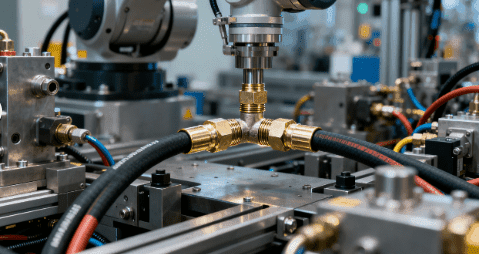
Crimp hydraulic fittings are manufactured in various types to meet specific system needs. Each type has its strengths and is suited to particular pressure ranges and applications.
- JIC Fittings (Joint Industry Council): These high-pressure fittings feature a 37-degree flare, providing a tight seal ideal for mobile hydraulics and industrial machinery. They are commonly used in construction equipment, such as hydraulic excavators and forklifts.
- ORB Fittings (O-Ring Boss): Designed with an O-ring, ORB fittings prevent leaks even under high pressure, making them ideal for oil and chemical industry systems where fluid contamination must be avoided.
- SAE Flare Fittings: Cost-effective and easy to install, these medium-pressure fittings are popular in general industrial systems, such as factory automation and medium-duty hydraulic presses.
- BSP Fittings (British Standard Pipe): Standardized in Europe, BSP fittings are widely used for hydraulic systems in European manufacturing equipment. Their compatibility with a variety of hoses makes them a reliable choice for diverse industrial applications.
- ORFS Fittings (O-Ring Face Seal): Featuring an O-ring face seal, ORFS fittings provide superior leak prevention, which is critical in high-pressure hydraulic systems, including mobile cranes, injection molding machines, and offshore rigs.
- Metric Fittings: Standardized fittings used in automation, robotics, and modern machinery. Their precision ensures tight seals and consistent performance, reducing maintenance downtime in automated manufacturing lines.
Interesting Fact: In modern automated factories, using metric crimp hydraulic fittings can reduce assembly errors because the fittings are designed to precise tolerances, minimizing mismatches between hoses and components.
Small Knowledge Nuggets
- Installation Tip: Always measure the hose diameter and pressure rating before selecting a fitting; even a small mismatch can cause leaks or system failure.
- Case Study Insight: A logistics company switched from carbon steel to stainless steel ORFS fittings in their fleet of hydraulic lifts. Over two years, they saw a 30% reduction in hose replacements and zero leakage-related downtime.
- Environmental Consideration: Crimp hydraulic fittings in outdoor equipment are often coated or made from stainless steel to resist UV exposure, moisture, and temperature swings.
Top 6 Powerful Crimp Hydraulic Fittings Options
Selecting the right crimp hydraulic fittings involves evaluating pressure rating, material, and application requirements. Below is a detailed comparison of the top six options:
| Option | Material | Pressure Rating | Ideal Application | Key Advantage |
|---|---|---|---|---|
| JIC | Carbon Steel / Stainless Steel | Up to 6000 psi | Industrial machinery, mobile hydraulics | High-pressure resistance, reliable sealing |
| ORB | Stainless Steel | Up to 5000 psi | Chemical, oil, and gas | Leak prevention with O-ring, corrosion-resistant |
| SAE Flare | Carbon Steel | Up to 4000 psi | Medium-pressure systems | Cost-effective, simple installation |
| BSP | Carbon Steel / Stainless Steel | Up to 4500 psi | European machinery | Wide compatibility, standardized sizes |
| ORFS | Stainless Steel | Up to 6000 psi | High-pressure fluid systems | Superior sealing, high durability |
| Metric | Stainless Steel | Up to 5000 psi | Automation and robotics | Precision fit, modern standard |
This table allows B2B buyers to quickly compare performance, materials, and applications to select the most suitable option for their hydraulic systems. For instance, ORFS and JIC fittings are preferred in high-pressure systems where leak prevention is critical, whereas SAE flare fittings are an economical choice for medium-pressure applications.
Installation and Maintenance Tips
Proper installation of crimp hydraulic fittings ensures optimal performance and prevents early system failure. Key practices include:
- Matching Hose and Fitting: Ensure the fitting matches the hose’s inner diameter, pressure rating, and material compatibility. Incorrect sizing can lead to leaks or blowouts.
- Using Correct Crimping Tools: Utilize hydraulic or mechanical crimping machines specified by manufacturers. Uniform crimping guarantees reliable connections and avoids uneven stress on the hose.
- Inspection Before Use: Check for visible damage, corrosion, or deformations before installing fittings. Even small defects can compromise safety under high pressure.
- Regular Maintenance: Periodically inspect hydraulic systems for leaks, wear, and corrosion. Clean fittings to prevent contamination from dirt or debris, which can cause internal system damage.
- Avoid Over-Tightening: Excessive crimping or torque can damage hoses or fittings, reducing their lifespan and causing system inefficiency.
By adhering to these practices, hydraulic systems maintain higher reliability, reduce downtime, and extend the service life of crimp hydraulic fittings.
Common Mistakes to Avoid
Many hydraulic failures stem from improper selection or installation of crimp hydraulic fittings. Common mistakes include:
- Using Incompatible Materials: For corrosive environments, carbon steel may rust quickly; stainless steel is necessary.
- Incorrect Pressure Ratings: Using fittings with insufficient pressure ratings can lead to system failure and safety hazards.
- Neglecting Maintenance: Fittings not inspected or cleaned regularly may fail unexpectedly.
- Improper Crimping Techniques: Uneven or incomplete crimping may cause leaks or hose blowouts.
- Ignoring Hose-Fitting Compatibility: Selecting mismatched fittings and hoses can reduce system efficiency and cause operational downtime.
Avoiding these errors ensures safer hydraulic systems and reduces costly repairs.
Choosing Crimp Hydraulic Fittings for Specific Industries
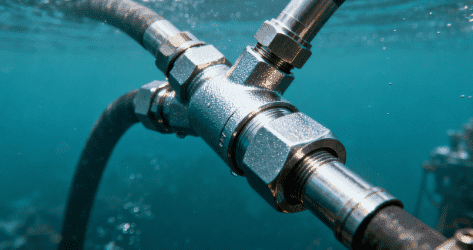
Industrial Machinery
High-pressure carbon steel crimp hydraulic fittings are suitable for manufacturing equipment. Their durability and cost-effectiveness make them ideal for assembly lines, presses, and mobile machinery where pressures are moderate to high.
Chemical and Offshore Applications
Stainless steel fittings are recommended for offshore platforms, chemical processing plants, and marine environments. They resist corrosion, withstand saltwater exposure, and maintain integrity under high-pressure conditions.
Automation and Robotics
Precision metric fittings are essential for automation systems and robotics. Accurate dimensions and high-quality sealing prevent leaks, maintain hydraulic efficiency, and support reliable operation of automated machinery.
Mobile Hydraulic Systems
JIC and ORB fittings are commonly used in construction vehicles and mobile equipment. Their high-pressure resistance and leak-proof design ensure consistent performance under dynamic loads and vibration conditions.
Conclusion
Choosing the right crimp hydraulic fittings is crucial for maintaining the safety, efficiency, and longevity of hydraulic systems. By considering material selection, pressure rating, and application environment, B2B buyers can select from options like JIC, ORB, SAE Flare, BSP, ORFS, and Metric fittings. Proper installation, maintenance, and awareness of common mistakes are equally important to prevent leaks, reduce downtime, and improve system reliability. Investing in high-quality crimp hydraulic fittings ensures not only operational efficiency but also long-term cost savings and safety compliance.
FAQ
Q1: What materials are commonly used for crimp hydraulic fittings?
A1: The main materials are carbon steel and stainless steel. Carbon steel is cost-effective for general industrial applications and performs well under moderate pressures. Stainless steel provides superior corrosion resistance, making it ideal for harsh environments such as chemical processing, marine, and offshore operations. Choosing the right material depends on pressure, fluid type, and environmental exposure.
Q2: How do I select the correct size of crimp hydraulic fittings?
A2: Selection depends on the hose inner diameter, system pressure, and fluid compatibility. Using the wrong size can cause leaks or even system failure under high pressure. Always follow manufacturer specifications and, if possible, consult technical charts to ensure proper fit and safe operation.
Q3: Can crimp hydraulic fittings be reused?
A3: Generally, reuse is not recommended because crimping permanently deforms the fitting. Reusing a crimped fitting may compromise the seal and system safety, potentially leading to leaks or hose blowouts. For reliable performance, always use new fittings for each hose installation.
Q4: Which crimp hydraulic fittings are best for high-pressure systems?
A4: ORFS and JIC fittings are preferred for high-pressure applications due to their superior sealing and durability. ORFS fittings use an O-ring face seal that minimizes leakage, while JIC fittings provide a reliable 37-degree flare connection. Both types are widely used in heavy machinery, mobile hydraulics, and industrial systems.
Q5: How often should crimp hydraulic fittings be inspected?
A5: Fittings should be inspected at least quarterly or according to the system’s usage frequency. Look for signs of corrosion, wear, cracks, or leaks that could compromise system performance. Regular inspection and maintenance help prevent unexpected failures and extend the lifespan of both hoses and fittings.