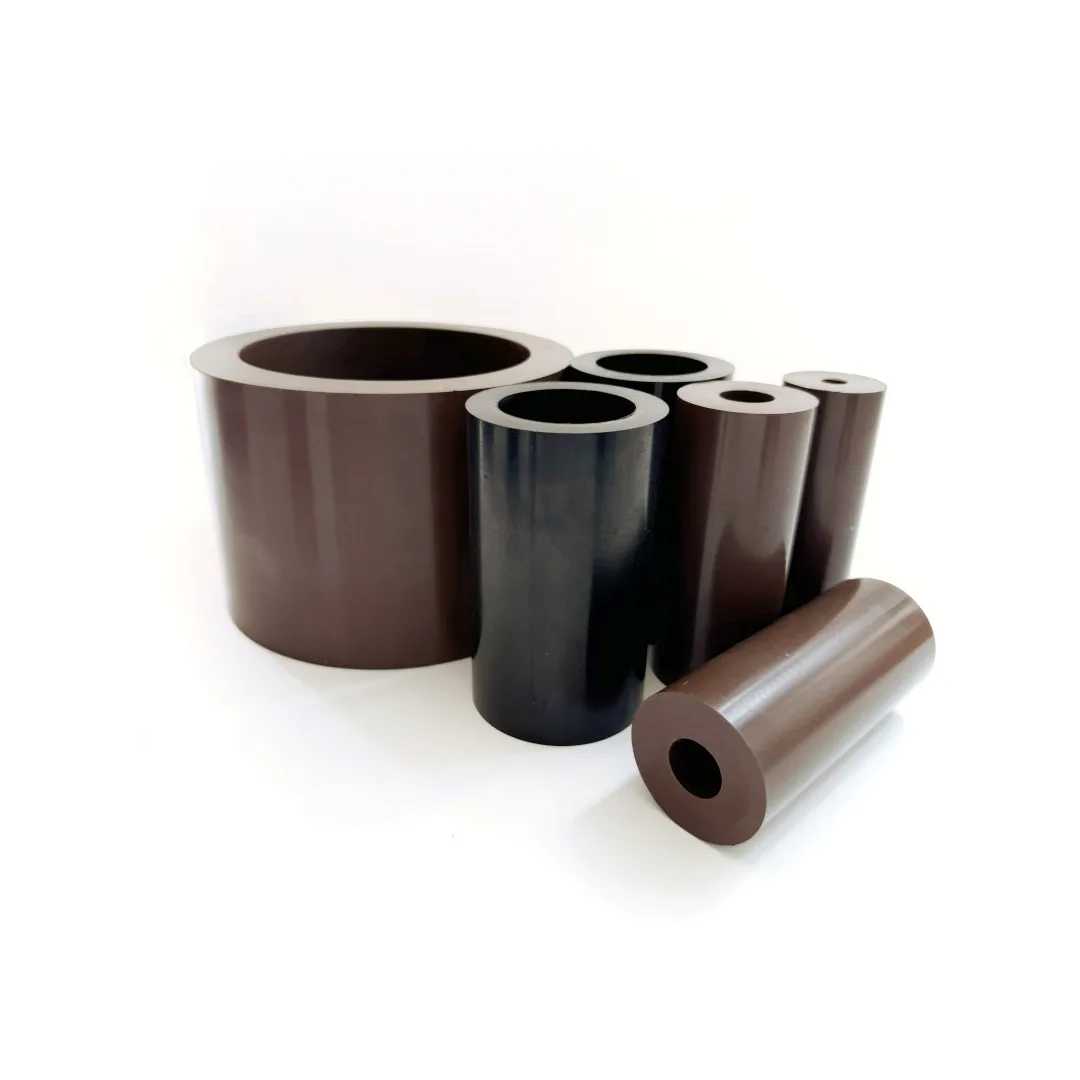
When designing complex industrial systems, selecting the right custom flange size is crucial to ensure optimal performance, efficiency, and safety. Flanges, which are used to connect pipes, valves, pumps, and other equipment, must be precisely chosen based on the specifications of the system. In this blog, we will explore the five most essential custom flange sizes every engineer or buyer needs to know to ensure seamless integration and reliable operations.
Table of Contents
Introduction

Flanges play a vital role in ensuring the structural integrity and functionality of industrial systems. From oil and gas to chemical processing and HVAC systems, flanges are used in nearly every type of infrastructure where piping is involved. With so many different flange sizes and configurations available, it’s essential to understand the various dimensions and their applications to avoid costly mistakes.
In this article, we’ll dive into five key custom flange sizes that are widely used across industries, how to choose the right one, and the factors influencing the selection process. By understanding the unique requirements of each application, you can make informed decisions that will improve the efficiency and durability of your system.
Understanding the Most Common Custom Flange Sizes

When discussing custom flanges, size is often the first consideration. While custom flanges can be made in any size, five sizes are particularly common in industrial applications: ANSI, PN, JIS, DN, and ASME. Each of these standards specifies a range of flange sizes that cater to different pressure classes, material requirements, and application types.
ANSI Custom Flange Sizes
The American National Standards Institute (ANSI) provides one of the most widely used sets of dimensions for flanges. ANSI flanges come in various sizes, typically ranging from 1/2 inch to 24 inches in diameter. They are used for a broad range of applications, including piping, valves, and heat exchangers.
PN Custom Flange Sizes
PN (Pressure Nominal) is a system commonly used in Europe and is defined by the pressure rating of the flange. PN flanges typically cover sizes from PN2.5 to PN420, with corresponding dimensions for different pressure classes.
JIS Custom Flange Sizes
The Japanese Industrial Standards (JIS) flange sizes are similar to ANSI and PN but follow different dimensioning standards. JIS flanges are commonly used in Japan and other parts of Asia. These flanges come in several sizes and are typically categorized by their material and pressure ratings.
Key Factors That Affect Custom Flange Size Selection
Pipe Diameter and Pressure Rating
The size of the pipe and the required pressure rating are the two most important factors in selecting a custom flange. The diameter of the pipe must match the flange’s inner diameter, while the pressure class ensures that the flange can withstand the pressure within the pipe. This is especially crucial in high-pressure systems like oil and gas pipelines or chemical processing units.
Material Compatibility
Flange material plays a huge role in size selection. A flange made of stainless steel might have different thicknesses and tolerances compared to a carbon steel flange. When selecting a custom flange size, it is important to consider the material’s strength, resistance to corrosion, and temperature tolerance.
Application Environment
The application environment is another key factor in flange selection. Custom flanges used in offshore applications or in harsh industrial environments may require special coatings, thicker materials, or unique design features to withstand the conditions.
Flange Size Compatibility with Different Pipe Systems

One of the challenges in selecting custom flange sizes is ensuring compatibility with existing pipe systems. A mismatch between the flange and pipe size can result in leaks, increased wear, and ultimately, system failure.
Matching Flange Size to Pipe Systems
Flange size should be determined based on the size of the pipe it is connecting to. For example, if the pipe has a diameter of 10 inches, the flange must be capable of accommodating a similar or compatible diameter. This ensures a secure fit and prevents issues like misalignment.
The Difference Between ANSI, PN, and JIS Flange Sizes
Flange standards vary from region to region, and it’s essential to understand these differences when purchasing custom flanges for international projects. ANSI flanges are commonly used in the United States, while PN flanges are popular in Europe. JIS flanges are more common in Japan and parts of Asia.
| Flange Standard | Common Sizes | Pressure Rating | Typical Applications |
|---|---|---|---|
| ANSI | 1/2″ to 24″ | 150 to 2500 | Piping, Valves |
| PN | DN10 to DN600 | PN2.5 to PN420 | HVAC, Industrial |
| JIS | 10A to 600A | 5K to 20K | Chemical, Piping |
This table shows the most common sizes, pressure ratings, and applications for each of these flange types.
Top Tips for Ordering Custom Flanges with Exact Specifications

When ordering custom flanges, there are several things to consider to ensure they meet your project’s requirements:
1. Specify the Pressure Class and Rating
Make sure to specify the required pressure class when ordering custom flanges. This is essential for determining the right material and thickness of the flange.
2. Provide Detailed Material Specifications
Since custom flanges are available in a variety of materials (carbon steel, stainless steel, etc.), it’s important to provide clear material specifications to the supplier. This will ensure the flanges meet the necessary strength and corrosion-resistance requirements.
3. Review Flange Dimensions and Tolerances
Ensure that the dimensions of the custom flanges meet your specific needs. Tolerances should be clearly defined to avoid any issues during installation.
4. Ensure Proper Certification and Testing
For critical applications, ensure that your custom flanges come with the required certifications and have been tested for quality and performance standards. Certifications such as ASME or ISO may be required, depending on the application.
Conclusion
Selecting the right custom flange size is crucial for the success of any industrial project. By understanding the various standards and factors that influence flange selection, such as pressure rating, material compatibility, and application environment, you can make more informed decisions. Whether you’re working on a high-pressure pipeline, a chemical reactor, or an HVAC system, knowing how to choose the best custom flange size for your project can help ensure safety, efficiency, and reliability in the long term.
If you’re unsure which custom flange size is right for your project, consulting with a professional or a reliable supplier can provide the guidance and expertise necessary to make the right choice.
FAQ
Q1: What is the most common custom flange size?
The most common custom flange sizes are ANSI and PN sizes. These are used in a wide variety of industrial applications, including oil and gas, HVAC, and chemical processing.
Q2: How do I determine the right flange size for my system?
You should base your selection on the diameter of the pipe and the pressure class required for your system. Always consider material compatibility and environmental factors as well.
Q3: Can I use a standard flange size for custom applications?
While standard flange sizes may work in many cases, custom applications often require a unique combination of material, size, and pressure rating. Custom flanges allow for precise specifications to meet your system’s needs.
Q4: Are custom flanges expensive?
Custom flanges can be more expensive than standard flanges due to the increased complexity in design and manufacturing. However, the cost can be justified by the performance and longevity they bring to the system.
Q5: What industries use custom flanges?
Custom flanges are used in a wide range of industries, including oil and gas, chemical processing, water treatment, HVAC, and power generation.
Q6: What is the difference between flange size and flange pressure rating?
Flange size refers to the physical dimensions of the flange, including its diameter, thickness, and bolt hole pattern. The pressure rating, on the other hand, indicates the maximum pressure that a flange can withstand without failing. Flange size and pressure rating go hand in hand, but they are distinct aspects of flange specification.
Q7: How do I choose the right material for a custom flange?
Choosing the right material depends on several factors such as the type of fluid flowing through the pipes, temperature, pressure, and environmental conditions (e.g., exposure to corrosive substances). Stainless steel, carbon steel, and alloy steel are common materials for custom flanges. Stainless steel is popular for corrosion resistance, while carbon steel is often used for general-purpose applications.
Q8: Can I use a custom flange in a high-temperature application?
Yes, custom flanges can be designed to handle high-temperature environments. When selecting flanges for high-temperature applications, it’s crucial to choose materials that can withstand heat without warping or degrading. Materials like stainless steel, Inconel, and carbon steel are typically used for such applications.