Table of Contents
Introduction
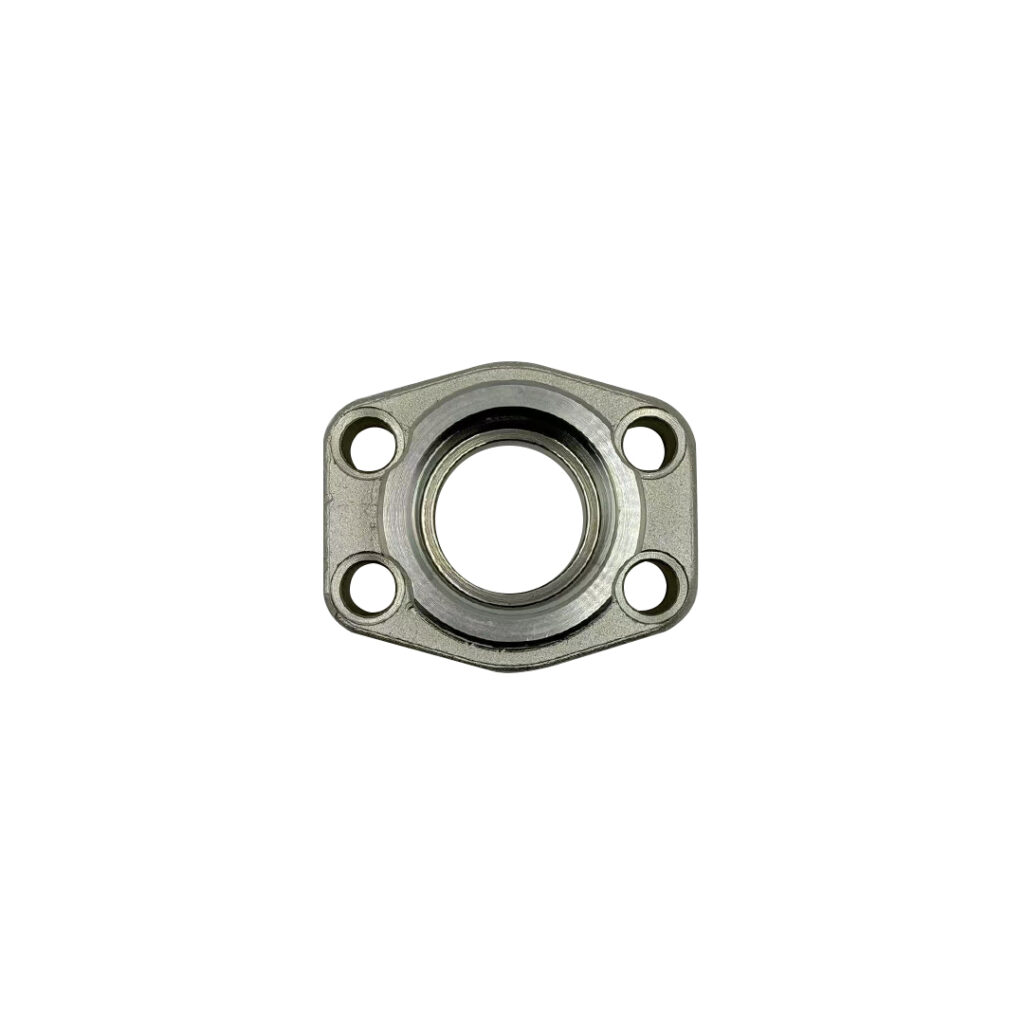
In industrial piping systems, flanged pipe fittings are widely used to create secure, reliable, and maintainable connections between pipes, valves, pumps, and other equipment. Their ability to handle high pressure and temperature makes them essential in critical applications such as chemical processing, oil and gas systems, water treatment, and power generation.
However, many system failures are still linked to improper selection, installation, or maintenance of flanged pipe fittings. Industry maintenance studies show that a significant portion of leakage issues in piping systems originate from joint-related problems rather than pipe material failure itself. This highlights the importance of understanding how flanged pipe fittings work and how to use them correctly.
This guide breaks down the top 5 things you must know before selecting or working with flanged pipe fittings.
What Flanged Pipe Fittings Are and How They Work
Flange pipe connections are mechanical connectors used to join pipes and components through a flange system. Each fitting includes a flange face, bolts, and a gasket that creates a sealed connection when tightened.
The working principle is simple but highly effective:
- Two flanges are aligned
- A gasket is placed between them
- Bolts are tightened to compress the gasket
- A sealed, pressure-resistant joint is formed
This design allows easy assembly and disassembly without cutting or welding pipes, making maintenance more efficient.
Types of Flanged Pipe Fittings
Different types of flange pipe connections are designed for different pressure levels and applications:
- Weld Neck Flanges: Best for high-pressure and high-temperature systems due to strong structural reinforcement
- Slip-On Flanges: Easy to install and suitable for low to medium pressure systems
- Blind Flanges: Used to seal pipe ends or system openings
- Socket Weld Flanges: Ideal for small-diameter, high-pressure pipelines
- Threaded Flanges: Used where welding is not possible or desired
Each type offers different performance advantages depending on system requirements.
Materials Used in Flanged Pipe Fittings
Material selection directly impacts durability, corrosion resistance, and pressure performance.
| Material | Key Feature | Best Application |
|---|---|---|
| Carbon Steel | High strength, cost-effective | General industrial piping |
| Stainless Steel | Excellent corrosion resistance | Chemical, marine, and hygienic systems |
| Alloy Steel | High temperature and pressure resistance | Heavy-duty industrial systems |
| PVC / Plastic | Lightweight, corrosion-free | Low-pressure fluid systems |
Choosing the right material ensures long-term reliability and reduces maintenance costs.
Common Installation Mistakes to Avoid
Even high-quality flange pipe connections can fail if installed incorrectly. Common mistakes include:
- Uneven bolt tightening causing gasket distortion
- Using incompatible gasket materials
- Misalignment of flange faces
- Over-tightening or under-tightening bolts
- Reusing damaged gaskets or bolts
Proper installation requires correct torque application and cross-bolting techniques to ensure even pressure distribution across the joint.
Maintenance and Performance Optimization
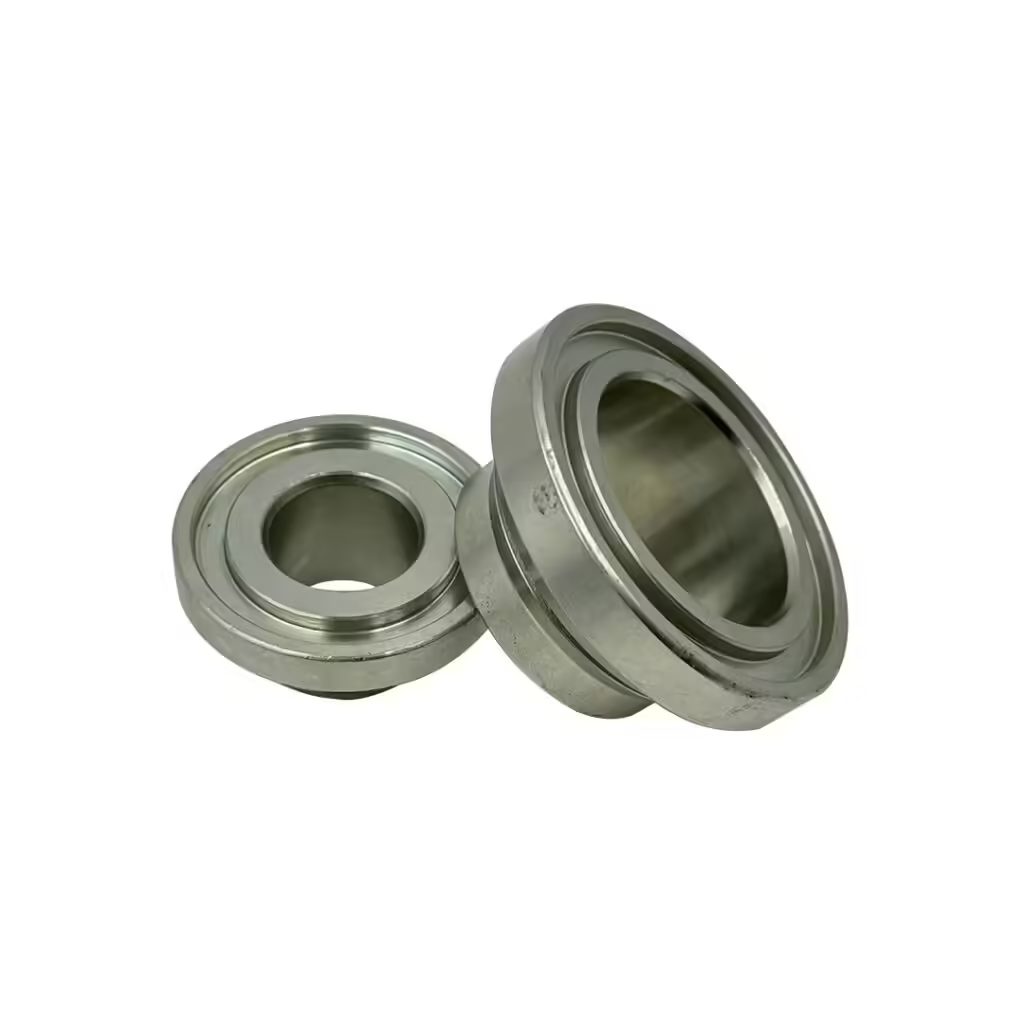

Regular maintenance is essential for extending the lifespan of flanged pipe fittings and ensuring system safety.
Key maintenance practices include:
- Inspecting for leaks and corrosion regularly
- Checking bolt torque after system operation cycles
- Replacing worn or compressed gaskets
- Monitoring vibration in high-pressure systems
- Ensuring proper alignment during reassembly
According to general industrial maintenance data, proactive inspection of flanged joints can significantly reduce unexpected system downtime and repair costs.
Conclusion
Flanged pipe fittings are a critical component in modern industrial piping systems, offering reliability, flexibility, and safety under demanding conditions. Understanding their types, materials, installation methods, and maintenance requirements helps ensure long-term system efficiency and reduces operational risks.
For engineers and system designers, selecting the right flanged pipe fittings is not just a technical choice—it is a key factor in ensuring system performance and operational stability.
FAQ
What are flanged pipe fittings used for?
Flanged pipe fittings are used to connect pipes, valves, and equipment in industrial piping systems. They create a strong, leak-proof joint that can handle high pressure and temperature while allowing easy disassembly for inspection, repair, or system modification.
How do you choose the right flanged pipe fittings?
Selection depends on pressure rating, temperature, pipe size, material type, and application environment. High-pressure systems require stronger flange types like weld neck, while corrosive environments often need stainless steel for durability and long service life.
What materials are flanged pipe fittings made from?
Common materials include carbon steel, stainless steel, alloy steel, and PVC. Carbon steel offers strength and cost efficiency, stainless steel provides corrosion resistance, and alloy steel is used for high-pressure and high-temperature industrial systems.
Why do flanged pipe fittings leak?
Leaks are usually caused by improper installation, uneven bolt tightening, damaged gaskets, misalignment, or using incorrect gasket materials. Regular inspection and correct installation procedures are essential to ensure a secure, leak-free connection.
Can flanged pipe fittings be reused?
Yes, they can be reused if they are not damaged and all components, including flanges, bolts, and gaskets, are in good condition. However, worn or deformed parts should always be replaced to maintain safety and system reliability.
Need Help Choosing the Right Flanged Pipe Fittings?
If you’re unsure which flanged pipe fittings are best for your piping system or industrial application, our experts are here to help. Contact us today for a personalized consultation, and ensure your connections are safe, leak-free, and built for long-term performance. Don’t wait until system issues occur—get in touch now to protect your equipment and keep your operations running efficiently!