Table of Contents
Introduction
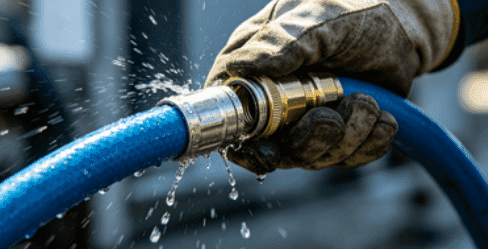
Hydraulic systems rely on hoses to transfer fluid efficiently and safely under high pressure. Among the various types, hydraulic press hoses and standard hydraulic hoses are often compared, but many engineers and technicians are unclear on their distinctions. Understanding these differences is critical for ensuring system reliability, safety, and optimal performance. According to the Hydraulic Institute, improper hose selection accounts for over 25% of hydraulic system failures in industrial applications, highlighting the importance of choosing the right hose.
This guide explains the key differences between hydraulic press hoses and standard hydraulic hoses, including design, materials, performance, applications, and maintenance considerations.
What Is a Hydraulic Press Hose
A high-pressure hydraulic hose is specifically designed for high-pressure hydraulic presses. These hoses are engineered to withstand extremely high pressures generated by hydraulic press machinery, which often exceeds the capacity of standard hydraulic hoses. They provide secure connections, reduce the risk of leaks, and ensure efficient energy transfer during pressing operations.
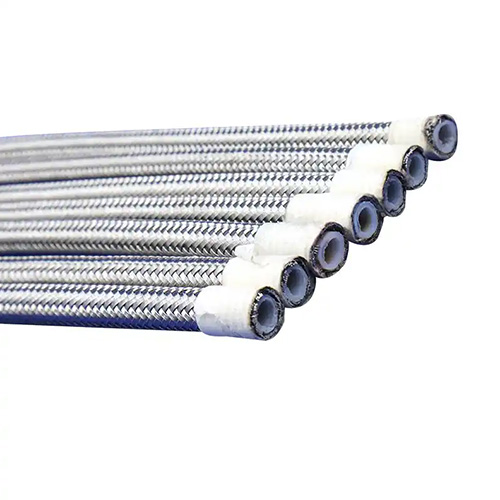
Hydraulic press hoses are also built with reinforced layers, corrosion-resistant materials, and specialized fittings to endure repeated pressure cycles, temperature fluctuations, and industrial wear.
What Is a Standard Hydraulic Hose
Standard hydraulic hoses are used in general hydraulic systems for machinery, vehicles, and industrial equipment. They are versatile and handle moderate to high pressures but are not optimized for the extreme pressures found in hydraulic press applications.
These hoses are commonly used in:
- Hydraulic machinery with continuous fluid flow
- Industrial automation systems
- Mobile hydraulic equipment
- Moderate pressure lifting and clamping systems
While reliable for most hydraulic tasks, standard hoses may fail in press applications due to burst risk or reduced durability under extreme conditions.
Key Design Differences
| Feature | Hydraulic Press Hose | Standard Hydraulic Hose |
|---|---|---|
| Max Pressure | Up to 10,000 psi or more | Typically 3,000–6,000 psi |
| Reinforcement | Multiple braided steel layers | Single or double steel braid or textile reinforcement |
| Flexibility | Moderate, designed for high stress | High flexibility for general use |
| Temperature Range | -40°C to +125°C | -40°C to +100°C |
| End Fittings | Heavy-duty, high-pressure rated | Standard fittings for general hydraulic systems |
The reinforced layers and heavy-duty fittings make high-pressure hydraulic hoses more robust, while standard hoses prioritize flexibility and general-purpose use.
Material Differences
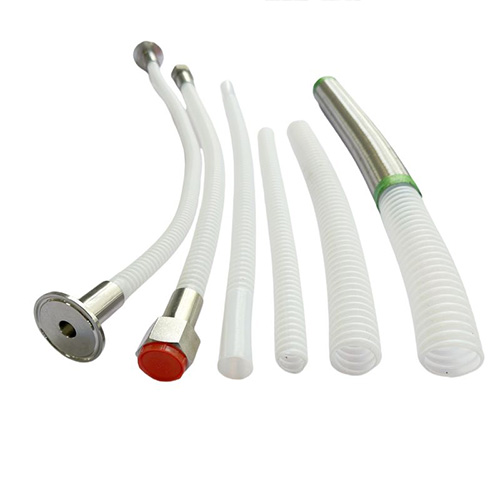
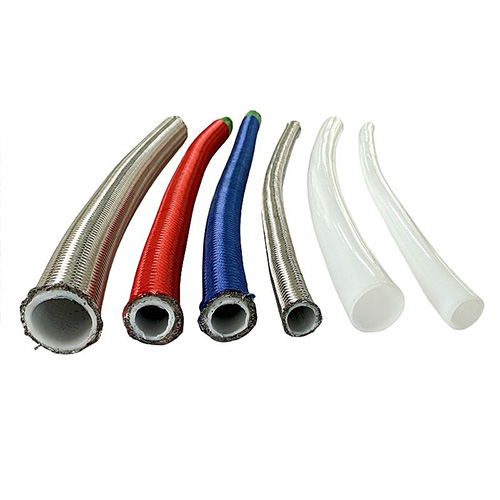
Hydraulic press hoses are typically made with high-tensile steel braids, thermoplastic inner tubes, and abrasion-resistant covers. Standard hydraulic hoses often use textile or lighter steel reinforcement with rubber covers.
Material selection affects:
- Pressure resistance
- Durability under repeated cycles
- Corrosion and chemical resistance
- Flexibility and handling ease
Using the correct material ensures the hose maintains safety and efficiency under operating conditions.
Performance Comparison
Hydraulic press hoses excel in high-pressure environments and can handle intense stress over long service periods. Standard hoses are suitable for moderate-pressure operations but may exhibit faster wear or failure under press conditions.
Key performance considerations include:
- Burst pressure rating
- Fatigue resistance under repeated cycles
- Abrasion resistance in industrial environments
- Compatibility with hydraulic fluids
Proper hose selection prevents unexpected downtime, equipment damage, and safety hazards.
Applications of Hydraulic Press Hoses
Hydraulic press hoses are primarily used in:
- Metal forming presses
- Injection molding machines
- Forging and stamping equipment
- High-pressure industrial testing systems
- Hydraulic press maintenance setups
Standard hydraulic hoses are better suited for mobile hydraulic systems, lift operations, and general industrial machinery where pressure levels are lower.
Maintenance and Safety Considerations
- Inspect hoses regularly for wear, cracks, or leaks.
- Check fittings and torque to manufacturer specifications.
- Replace hoses showing signs of abrasion, swelling, or hardening.
- Use hydraulic press hoses only within their rated pressure to prevent failure.
- Store hoses away from direct sunlight and chemicals to prolong service life.
Proper maintenance ensures reliable performance and reduces the risk of industrial accidents.
Conclusion
Hydraulic press hoses and standard hydraulic hoses serve different purposes. While standard hoses are suitable for general hydraulic applications, hydraulic press hoses are engineered to withstand extreme pressures, provide durability, and ensure operational safety in industrial press systems. Selecting the correct hose, combined with proper installation and maintenance, is essential for efficient, reliable, and safe hydraulic operations.
FAQ
What is a hydraulic press hose used for?
A hydraulic press hose is designed to transfer high-pressure hydraulic fluid in press machinery. It ensures secure, leak-free operation under extreme pressure and repeated cycles, protecting equipment and operators while maintaining system efficiency.
How do you choose the right hydraulic press hose?
Select a hose based on maximum pressure, temperature range, length, material, and fitting type. Always choose a hose rated above your system’s peak pressure to ensure safety, reliability, and long-term performance in industrial applications.
What materials are hydraulic press hoses made from?
Hydraulic press hoses are made with high-tensile steel braids, thermoplastic inner tubes, and abrasion-resistant covers. These materials provide durability, pressure resistance, corrosion protection, and flexibility for repeated high-stress operations.
Why does a hydraulic press hose fail?
Failures are often caused by exceeding pressure limits, improper installation, abrasion, chemical exposure, or worn fittings. Regular inspection and using hoses rated for the system’s conditions are critical to prevent leaks, bursts, or downtime.
Can hydraulic press hoses be reused?
Yes, if they remain undamaged and fittings are intact. Inspect hoses for cracks, leaks, swelling, or surface wear before reuse. Properly maintained hoses can be safely reinstalled, reducing waste and maintaining system performance.
Need Help Choosing the Right Hydraulic Press Hose?
If you’re unsure which hydraulic press hose is best for your system or application, our experts are here to help. Contact us today for a personalized consultation, and ensure your hydraulic system is safe, efficient, and built to last. Don’t wait until a failure occurs—get in touch now to protect your equipment and operations!