Table of Contents
Introduction
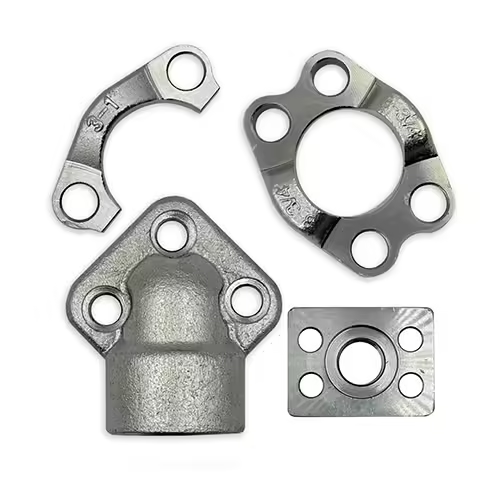
In industrial piping systems, flanged joints play a pivotal role in connecting pipes, valves, pumps, and other equipment. They provide a reliable, leak-proof connection that can withstand high pressure, temperature variations, and vibration. Despite being a basic component, flanged joints are essential for maintaining the integrity, safety, and efficiency of industrial piping networks.
A 2022 industrial pipeline report indicates that over 30% of system failures in high-pressure piping are related to improper joint selection or installation, highlighting the critical nature of flanged joints in preventing downtime and costly repairs.
What Are Flanged Joints
A flange connections is a connection method in which two components are joined using flanges—protruding rims, edges, or collars that provide a surface for bolting and sealing. Gaskets are often placed between the flanges to ensure a tight seal and prevent fluid leakage.
These joints are widely used in industries where frequent maintenance, inspection, or system modification is required because they allow for easy assembly and disassembly compared to welded connections.
How Flanged Joints Work
Flange connectionss work by distributing the pressure from the fluid evenly across the flange face. Bolts secure the flanges together, compressing the gasket in between to create a leak-proof seal. This design allows for high-pressure operation, accommodates minor misalignments, and enables system flexibility for maintenance.
Proper torque application and alignment are crucial for flanged joint performance. Even small installation errors can lead to leaks, gasket failure, or uneven pressure distribution.
Types of Flanged Joints
Industrial systems use a variety of flange connections types based on pressure, material, and connection requirements:
- Weld Neck Flanges: Ideal for high-pressure applications due to their strength and stress distribution.
- Slip-On Flanges: Easier to install, suitable for low to medium pressure systems.
- Blind Flanges: Used to close pipe ends or valve connections, allowing future inspection or maintenance.
- Socket Weld Flanges: Provide strong joints for small-diameter, high-pressure pipes.
- Threaded Flanges: Suitable for low-pressure applications where welding is not possible.
Materials Used in Flanged Joints
The choice of material for flanged joints is critical for durability and corrosion resistance:
- Carbon Steel: Common in general industrial piping systems; strong and cost-effective.
- Stainless Steel: Ideal for corrosive or high-moisture environments.
- Alloy Steel: Provides enhanced pressure and temperature resistance.
- PVC or Plastic: Used for low-pressure, non-corrosive fluid systems.
Material selection depends on operating conditions such as temperature, pressure, and fluid type.
Why Flanged Joints Are Critical in Industrial Systems
Flange connections are critical because they ensure safe, leak-proof connections that can be maintained and replaced without shutting down the entire system. They provide:
- System Reliability: Properly installed flanged joints prevent leaks and pressure loss.
- Ease of Maintenance: Components can be disconnected and reassembled efficiently.
- Safety: High-pressure resistance reduces the risk of pipe bursts or fluid hazards.
- Flexibility: Allows system expansion, modifications, or temporary disconnections.
Without flanged joints, systems would rely solely on welded connections, which are less flexible and require more downtime for repairs.
Performance Comparison of Flanged Joint Materials
| Material | Pressure Resistance | Corrosion Resistance | Cost | Typical Applications |
|---|---|---|---|---|
| Carbon Steel | High | Moderate | Low | General industrial piping |
| Stainless Steel | High | High | Medium | Corrosive or high-moisture systems |
| Alloy Steel | Very High | Moderate | High | High-pressure, high-temperature |
| PVC/Plastic | Low | High | Low | Low-pressure chemical lines |
Common Issues with Flanged Joints
Even with proper materials and design, flange connections may encounter issues:
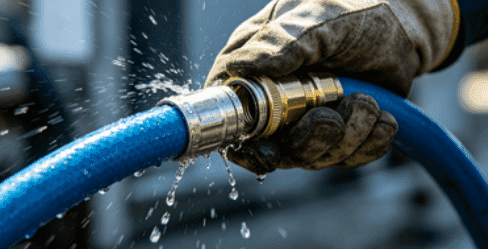
- Leakage: Often caused by gasket degradation or improper bolt torque.
- Corrosion: Metal flanges exposed to aggressive chemicals or moisture may corrode over time.
- Bolt Failure: Excessive pressure or improper tightening can lead to bolt breakage.
- Misalignment: Can stress the flange and compromise the seal.
Routine inspection, proper installation, and material selection are key to mitigating these problems.
Installation and Maintenance Best Practices
- Align flanges accurately before bolting to prevent uneven stress.
- Use appropriate gasket materials compatible with fluid type and pressure.
- Apply the correct torque to bolts, following a cross-tightening pattern.
- Inspect joints regularly for corrosion, wear, and leaks.
- Replace damaged gaskets and bolts promptly to maintain system integrity.
Applications of Flanged Joints
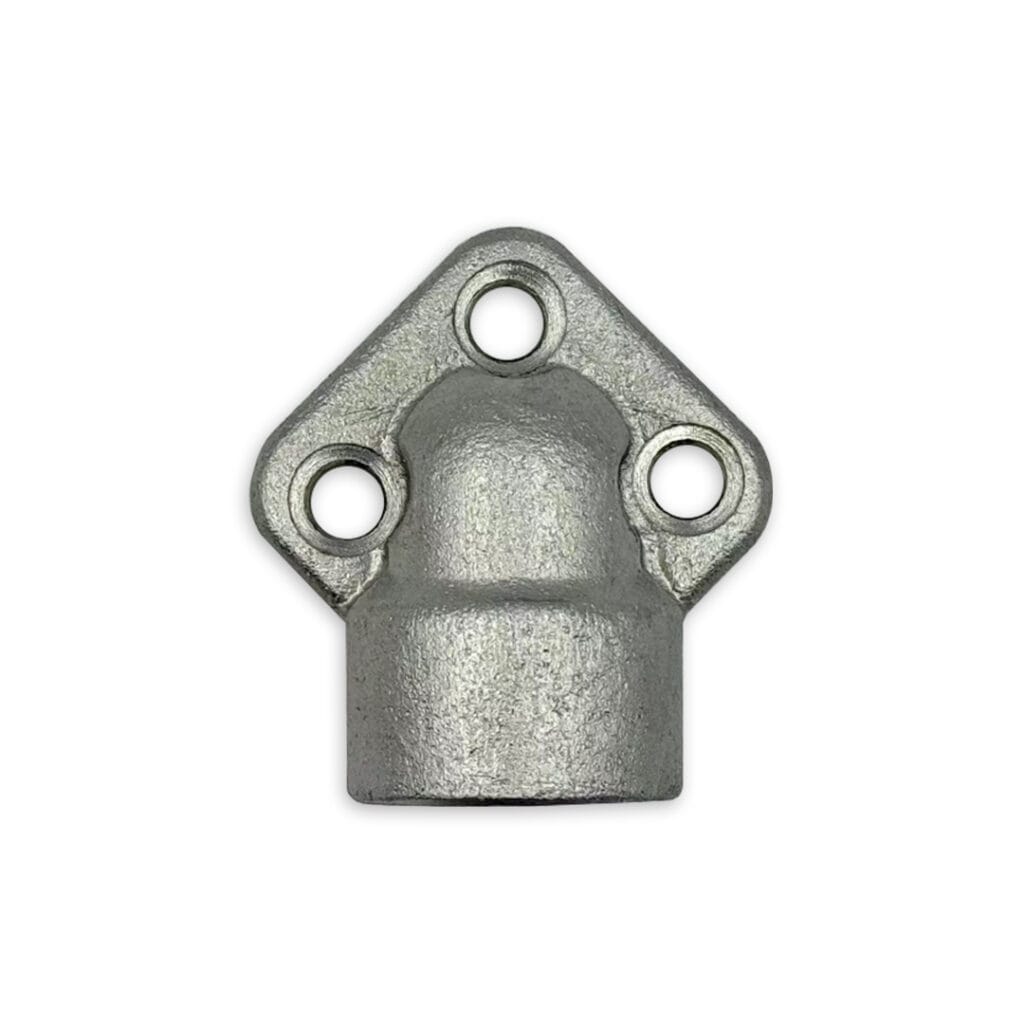
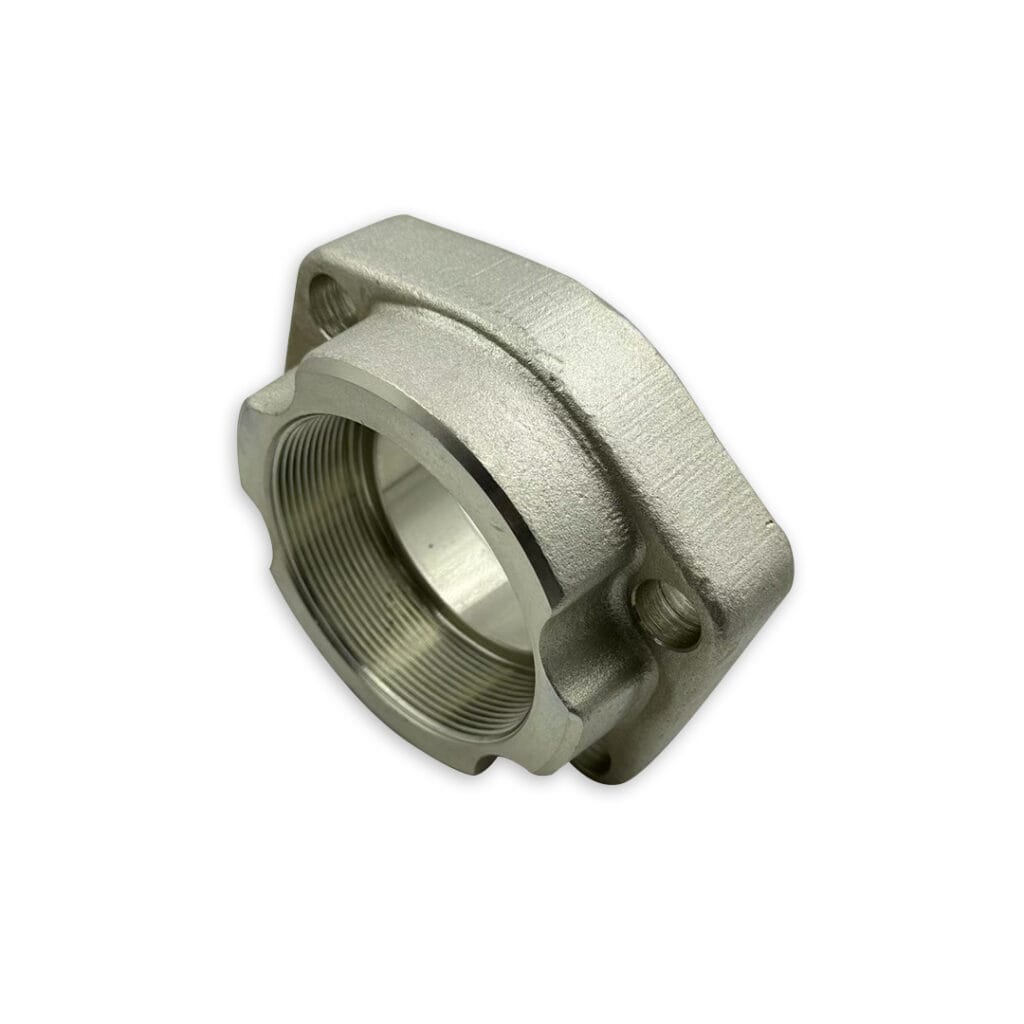
Flanged joints are widely used in industries such as:
- Oil and gas pipelines
- Chemical processing plants
- Water and wastewater systems
- Power generation facilities
- Industrial manufacturing lines
Their versatility and reliability make them indispensable for high-pressure, high-temperature, or corrosive environments.
Conclusion
Flanged joints are a cornerstone of industrial piping systems. They provide safety, reliability, flexibility, and ease of maintenance that welded or threaded connections cannot match. By selecting the right type, material, and installation method, engineers can ensure efficient and long-lasting piping systems that withstand high pressure, harsh environments, and rigorous industrial demands.
FAQ
What is a flanged joint used for?
A flanged joint is used to securely connect pipes, valves, and equipment in industrial piping systems. It ensures a leak-proof seal, allows easy disassembly for maintenance, and can handle high-pressure and high-temperature applications, making it essential for system reliability.
How do you select the right flanged joint?
Choose a flanged joint based on pressure rating, temperature, pipe size, material compatibility, and the type of connection needed. Proper selection prevents leaks, ensures system efficiency, and allows for safe maintenance in demanding industrial environments.
What materials are commonly used for flanged joints?
Flanged joints are typically made from carbon steel, stainless steel, alloy steel, or PVC. Material choice depends on fluid type, pressure, temperature, and environmental conditions. Stainless steel is preferred for corrosion resistance, while alloy steel suits high-pressure systems.
What causes leaks in flanged joints?
Leaks usually occur due to improper installation, misaligned flanges, incorrect bolt torque, or gasket failure. Regular inspection, correct torque application, and high-quality gasket materials are essential to maintain a reliable, leak-free connection.
Can flanged joints be reused?
Yes, flanged joints can be reused if they are not damaged and the gasket is in good condition. During disassembly, inspect the flange faces, bolts, and gaskets for wear to ensure safe, reliable performance when reinstalled in industrial piping systems.
Need Help Choosing the Right Flanged Joint?
If you’re unsure which flanged joint is best for your piping system or industrial application, our experts are here to help. Contact us today for a personalized consultation, and ensure your connections are secure, leak-free, and built to last. Don’t wait until system failures occur—get in touch now to protect your equipment and maintain reliable operations!