Table of Contents
Introduction
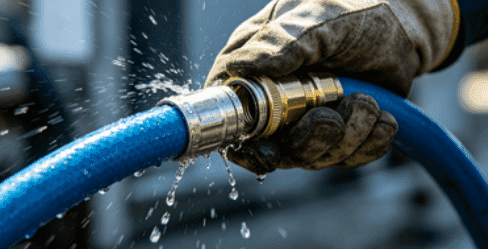
Hydraulic oil leaks are a common issue faced in multi-joint systems across various industries, from construction and agriculture to manufacturing and automotive. These leaks not only cause a loss of fluid, potentially impacting system performance, but can also lead to increased maintenance costs, environmental hazards, and downtime. One of the primary reasons for hydraulic oil leaks is thread misalignment during installation, which can cause improper sealing between connections and lead to failure.
In this comprehensive guide, we will walk through the steps to prevent hydraulic oil leaks in multi-joint systems, focusing on the importance of thread alignment, proper installation practices, and the use of high-quality hydraulic components. By following these steps, you can significantly reduce the risk of leaks, improve the performance and longevity of your hydraulic systems, and avoid costly repairs.
The Importance of Proper Thread Alignment in Hydraulic Systems
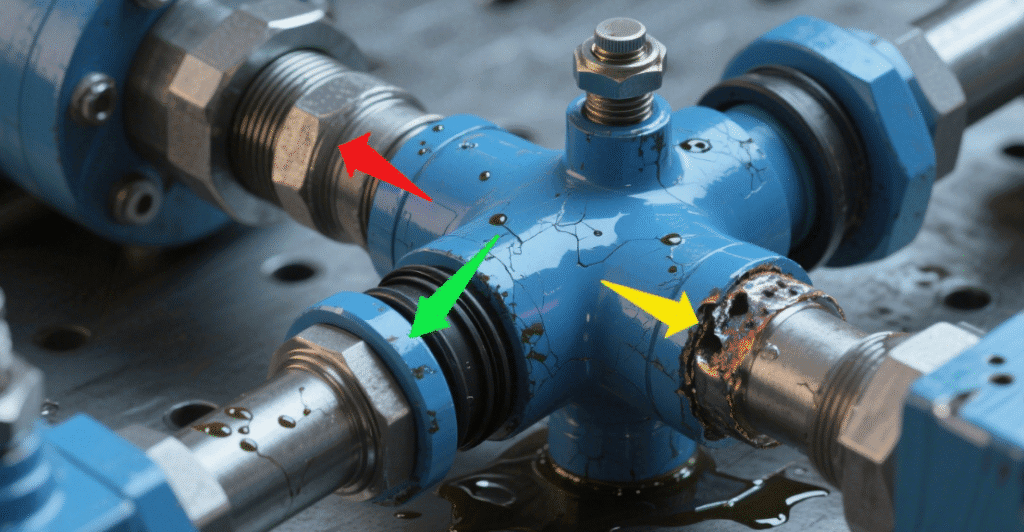
Why Thread Misalignment Leads to Hydraulic Oil Leaks
Thread misalignment occurs when the threads of two hydraulic components fail to align properly during installation. Misalignment can happen if the threads are damaged, poorly manufactured, or incorrectly installed. This misalignment results in uneven pressure distribution across the joint, which in turn causes the connection to fail and allows hydraulic oil to leak out. The leaks reduce system pressure, disrupt hydraulic operations, and may lead to system failures if left untreated.
Proper thread alignment ensures that the connection between the components is secure and leak-proof. Misaligned threads compromise the integrity of the seal, which is essential for maintaining system pressure and fluid flow. Therefore, correct thread alignment is critical for maintaining a leak-free hydraulic system and preventing any performance issues.
Preventing Thread Misalignment in Hydraulic Systems
Ensuring that the threads align properly during installation is key to preventing hydraulic oil leaks. Here are several steps to follow during the installation process:
- Use High-Quality Hydraulic Fittings
Quality fittings are specifically designed to ensure a tight, leak-proof connection. Choosing standard or non-standard hydraulic joints that meet international standards such as ISO/ANSI/DIN helps to ensure the threads align correctly during installation, reducing the chances of leaks. - Thread Identification System
Implement a clear and standardized system to identify thread specifications. Laser-printing the thread details (e.g., “NPT-1/2-28UNF”) on the components allows for easier verification of the correct parts during installation. - Use Precision Detection Tools
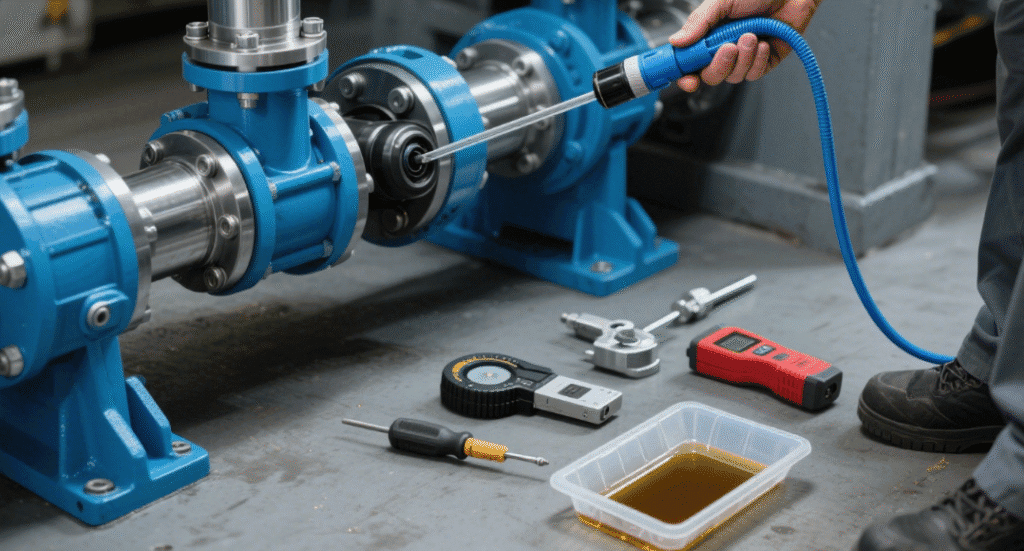
Invest in high-precision tools like electronic thread gauges (with an accuracy of ±0.01mm) to verify the alignment of the threads. Ensuring that the ovality of the tube body is ≤ 0.05mm is also crucial in preventing thread misalignment. - Proper Torque Application
Torque is a critical factor in ensuring proper alignment. Follow the recommended torque application method: start with 50% of the required torque, move to 100%, and finish with a final torque of 120%. This method ensures that the threads engage properly without over-stressing them.
Key Factors to Prevent Hydraulic Oil Leaks in Multi-Joint Systems
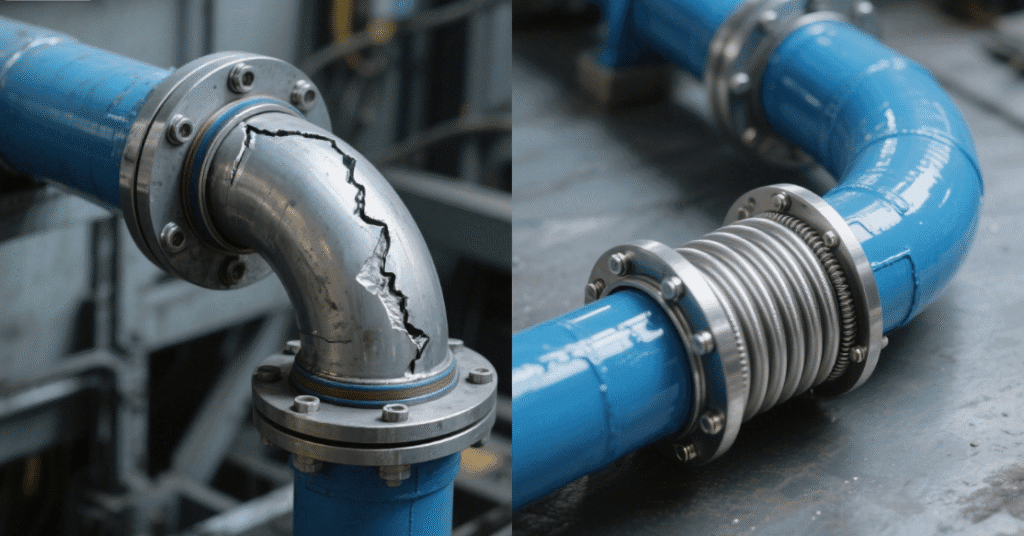
1. Proper Thread Cutting and Surface Finish
The process of cutting threads plays a major role in the success of a hydraulic system connection. Using high-quality materials and tools for thread cutting ensures that the threads are cut precisely and without defects. Additionally, a smooth surface finish on both the male and female threads helps to achieve the best seal and minimizes the risk of hydraulic oil leaks.
2. Importance of Correct Torque Application
Proper torque is essential when securing hydraulic connections. Under-tightening can lead to a loose connection, while over-tightening can damage the threads, causing misalignment or warping of the components. Using a calibrated hydraulic torque wrench with an accuracy of ±3% is recommended to apply the correct torque and avoid over- or under-tightening.
3. Installation Process and Professional Guidance
The installation process must be followed to the letter to ensure a leak-free system. Professional guidance should be sought during installation to ensure each step is followed accurately. Professional installers should always use precision tools and adhere to the proper tightening sequence. This step is critical in maintaining uniform pressure distribution and preventing misalignment.
Common Mistakes in Multi-Joint System Installation and How to Avoid Them
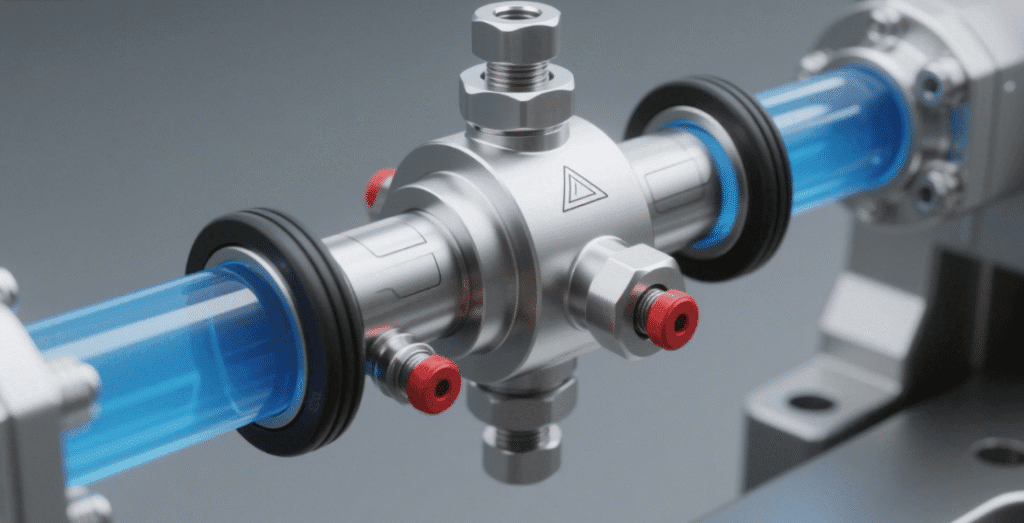
1. Incorrect Thread Type and Size
One of the most common installation mistakes is using the wrong thread type or size. Hydraulic systems often require specific thread types and sizes, such as NPT, BSPT, or JIS. Using the wrong type or size increases the risk of misalignment and leakage. Always double-check the specifications of the components and use the correct thread types.
2. Failure to Inspect Threads Before Installation
Before installing any components, it’s important to inspect the threads for defects such as burrs, damage, or wear. Failing to do so can lead to improper sealing, resulting in hydraulic oil leaks. Inspect the threads carefully using precision tools to ensure they are in excellent condition before installation.
3. Skipping the Lubrication Step
Lubricating the threads during installation ensures smoother engagement and reduces the wear on the threads. Lack of lubrication can increase friction, leading to thread damage and alignment issues. Use thread sealants or lubricants that are compatible with the hydraulic fluid and follow the manufacturer’s guidelines.
Table: Common Causes of Hydraulic Oil Leaks in Multi-Joint Systems
| Cause | Impact on Hydraulic System | Solution |
|---|---|---|
| Thread Misalignment | Leads to leakage and reduced system pressure | Use high-quality hydraulic fittings, and ensure correct thread alignment |
| Incorrect Torque Application | Over-tightening or under-tightening can damage the seal | Follow proper torque sequence and use accurate torque wrenches |
| Wear and Tear on Threads | Causes gaps between connections, leading to leaks | Inspect threads before installation and replace worn components |
| Poor Quality Fittings | Low-quality fittings may not seal properly | Choose reliable and tested hydraulic fittings that meet ISO/ANSI standards |
| Inadequate Lubrication | Increases friction, causing premature wear | Apply thread lubricant or sealant to ensure smooth threading and sealing |
Preventive Maintenance Tips for Avoiding Hydraulic Oil Leaks
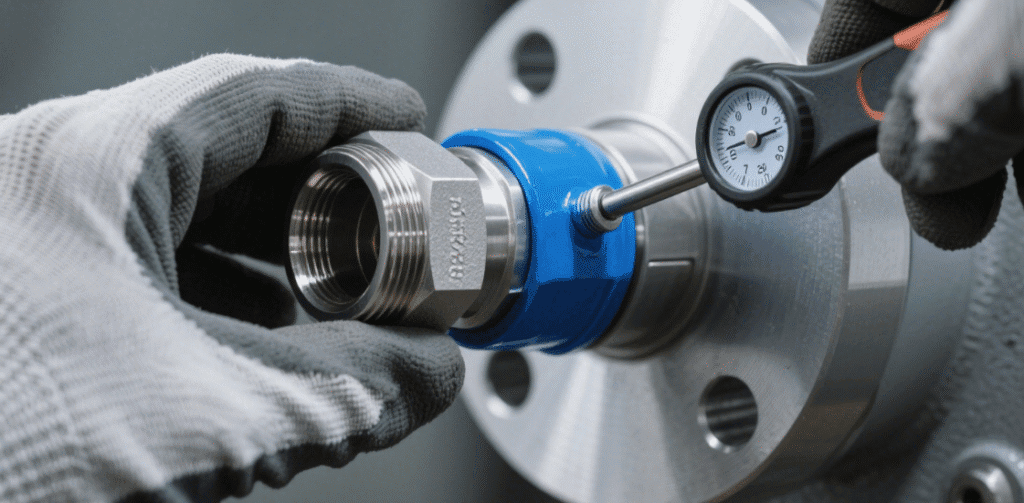
1. Regular Thread Inspections
Perform periodic inspections of all threaded connections. Check for signs of wear, damage, or misalignment. Ensuring that the threads are smooth and aligned helps to prevent leakage.
2. Lubrication
Periodically lubricate the threads to reduce friction and prevent damage during tightening. Ensure that the lubricants used are compatible with the hydraulic fluid and provide optimal performance.
3. Torque Monitoring
Over time, vibration and pressure from the hydraulic system can loosen connections, increasing the risk of leaks. Regularly monitor and verify the torque settings of all hydraulic connections to ensure they remain secure.
4. Seal Replacement
O-rings and seals should be replaced regularly, as they wear out over time. A worn seal can allow hydraulic oil to leak. Replace seals promptly to maintain system integrity.
Conclusion
Hydraulic oil leaks in multi-joint systems can be costly and detrimental to overall system performance. By following proper installation practices, such as ensuring correct thread alignment, applying the right torque, and using high-quality fittings, these leaks can be effectively prevented. Precision tools and regular maintenance are key to maintaining leak-free connections and optimizing hydraulic system performance.
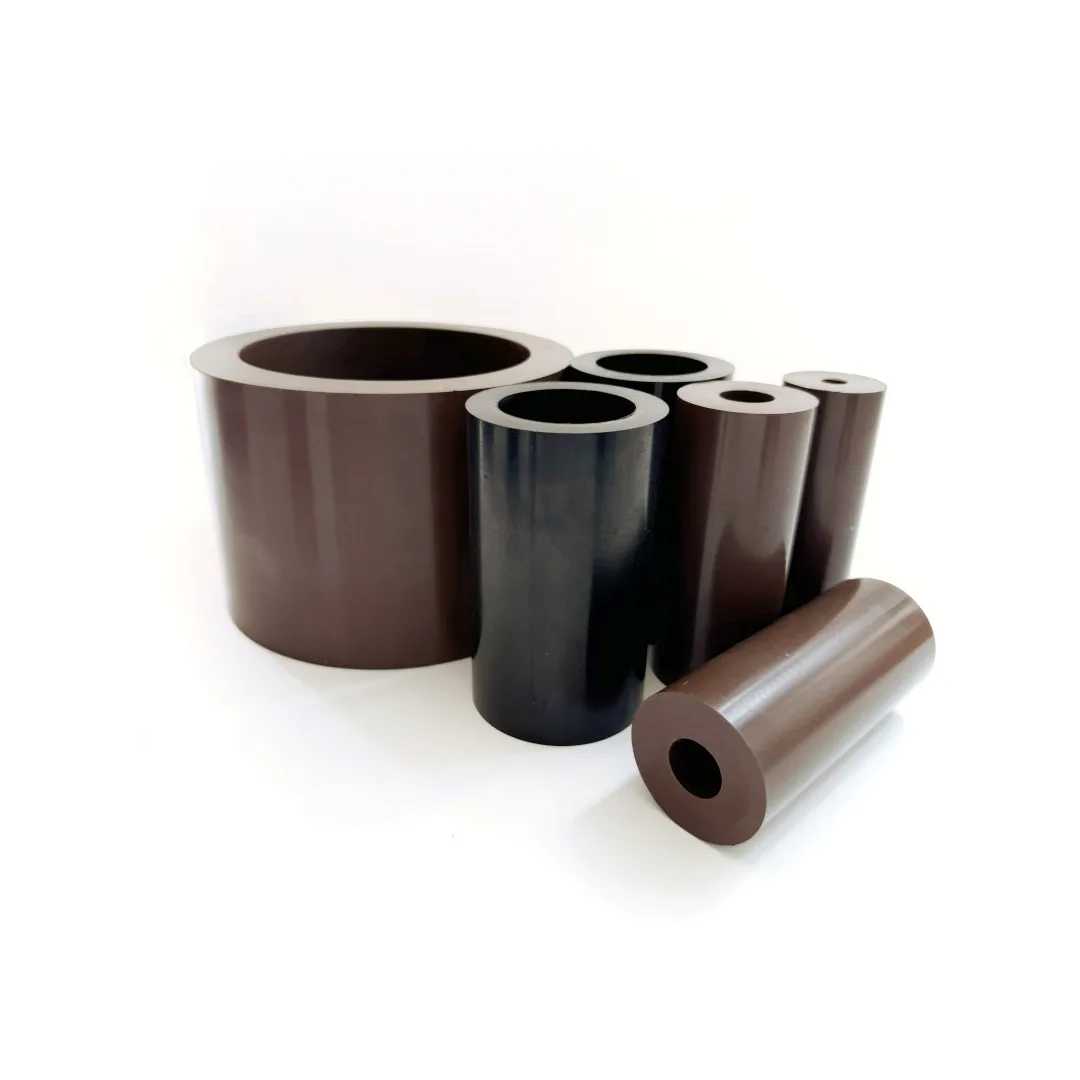
Hebei Minglai Pipe Fitting Co., Ltd. specializes in manufacturing standard and non-standard hydraulic joints, rubber products, and a wide range of high-quality hydraulic components. Our products undergo strict quality testing to ensure they meet the highest standards, offering our customers reliable and durable solutions for preventing hydraulic oil leaks.
For more information on how our hydraulic components can help improve your systems, contact us today for a quote or technical assistance.
FAQ
Q1: What is the most common cause of hydraulic oil leaks in multi-joint systems?
A1: Thread misalignment is one of the most common causes of hydraulic oil leaks. Misalignment occurs when the threads of hydraulic components fail to align properly during installation, preventing a tight seal. This misalignment can be easily avoided by ensuring that threads are correctly cut and by applying the proper torque during installation. Using high-quality components designed for precision and ensuring that they meet standard thread specifications will significantly reduce the risk of leaks.
Q2: How can I ensure thread alignment during installation?
A2:Thread alignment can be ensured by using precision tools like electronic thread gauges, which measure the exact angle and profile of threads with high accuracy. Additionally, it is important to follow proper installation guidelines, including a step-by-step torque application process, to make sure that the threads align perfectly. Consistently using high-quality components and properly inspecting the threads before installation are essential steps to prevent misalignment.
Q3: Can high-quality fittings prevent hydraulic oil leaks?
A3: Yes, using high-quality, standardized hydraulic fittings is essential in preventing leaks. These fittings are designed to provide the best possible seal and alignment, significantly reducing the likelihood of thread misalignment and improper sealing. Fittings that meet recognized standards (e.g., ISO/ANSI/DIN) ensure that the components fit together seamlessly, helping to create a durable and leak-proof connection, which is especially important in demanding hydraulic systems.
Q4: How often should I inspect hydraulic connections?
A4: Hydraulic connections should be inspected regularly to ensure they are still properly sealed and free from wear or damage. It is recommended to perform inspections every 3 to 6 months, depending on the frequency of use and environmental factors. More frequent inspections may be required in harsh operating conditions or for systems under high stress. Regular checks help identify early signs of leakage or misalignment, allowing for timely repairs and preventing more severe issues down the road.
Q5: Can improper torque lead to hydraulic oil leaks?
A5: Yes, improper torque application is a major cause of hydraulic oil leaks. Both under-tightening and over-tightening can result in thread misalignment or damage. Under-tightening leaves connections loose, leading to gaps in the seal, while over-tightening can deform threads or create uneven pressure distribution. To avoid these issues, it’s crucial to use a calibrated torque wrench to apply the correct torque, following the recommended tightening sequence and steps to ensure optimal alignment and pressure distribution.