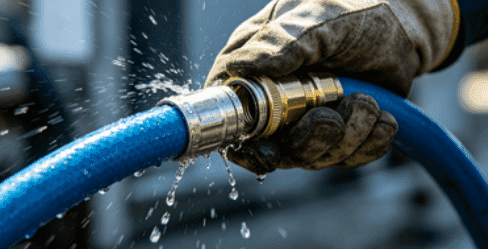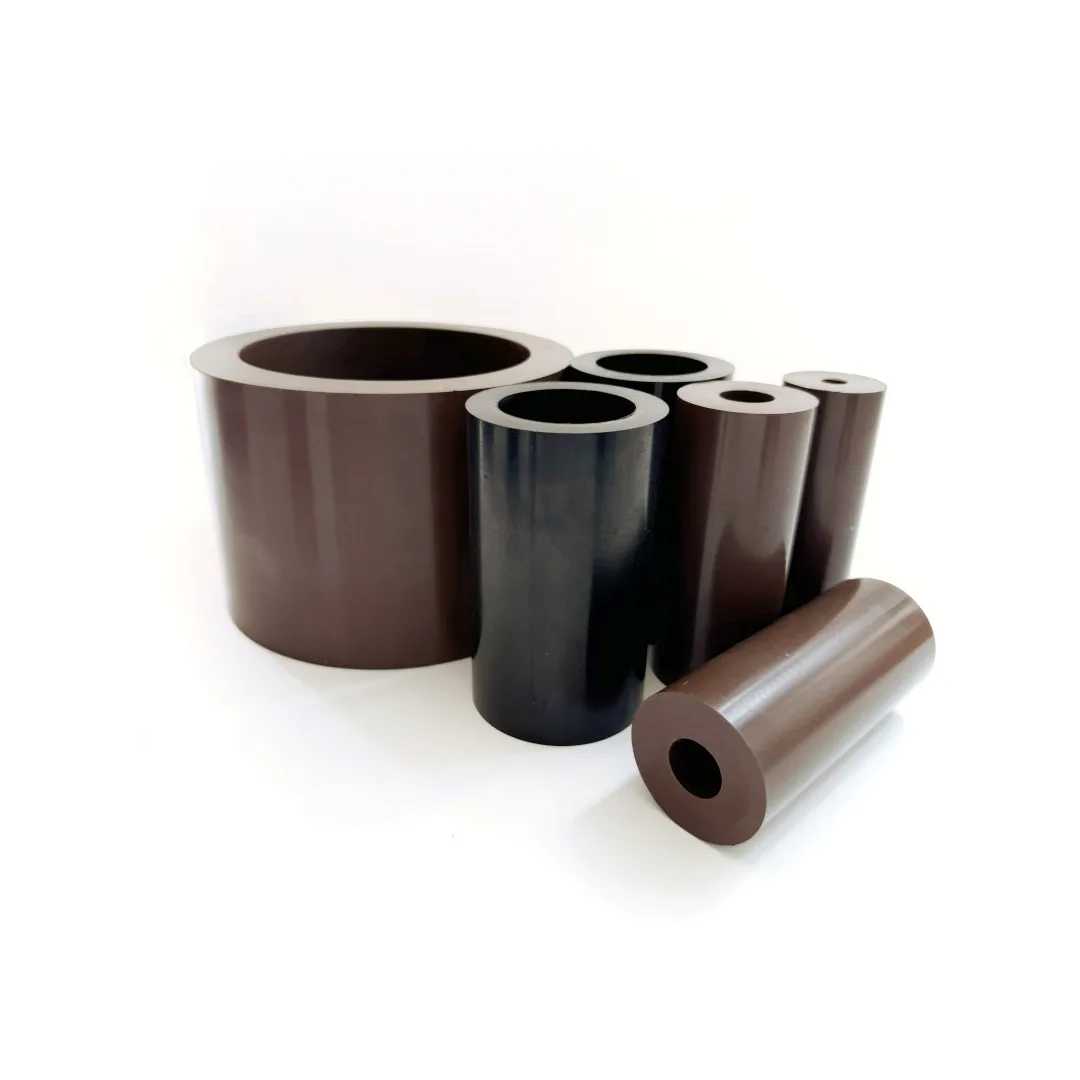
Threaded joints are one of the most widely used fastening methods in mechanical, construction, and industrial applications. From securing structural components to enabling easy maintenance, threaded joints provide reliable, versatile, and efficient connections. This guide covers types, advantages, applications, and maintenance strategies for these essential fastening solutions.
Table of Contents
What are Threaded Joints?

Concept and Definition
Threaded joints are mechanical connections that use screw threads to join two or more components. They provide both strength and the ability to disassemble parts when needed. These joints are crucial for structures and machines that require precise alignment and long-term durability.
How They Work
The basic principle of a threaded joint is simple: a screw or bolt rotates into a matching threaded hole or nut, creating a secure connection through friction and tension. Threaded joints include internal threads (nuts) and external threads (screws or bolts) and can be adapted to different load requirements.
Types of Threaded Joints
Bolted Joints
Bolted joints consist of bolts and nuts, ideal for high-load applications. They are easy to assemble and disassemble, making them suitable for industrial and structural uses.
Screwed Joints
Screwed joints involve screws directly threaded into materials like wood, metal, or plastic. They are common in furniture, small appliances, and light machinery.
Studs and Inserts
Studs and threaded inserts provide high-strength fastening for precision applications, such as engines or heavy machinery. They offer secure connections without the need for through-holes.
Specialized Threaded Joints
Self-tapping screws, lock screws, and double-ended studs are used for specialized applications. These joints address unique assembly needs and environments.
Materials and Surface Treatments
Common Materials
Threaded joints are typically produced using materials such as carbon steel, stainless steel, aluminum, copper, and various industrial alloys.
Each material brings its own balance of strength, corrosion resistance, machinability, and cost efficiency, which makes it suitable for different operational environments.
- Carbon Steel: Offers high tensile strength and cost-effectiveness, ideal for general engineering and structural uses.
- Stainless Steel: Known for its excellent corrosion resistance, often used in marine, chemical, and outdoor environments.
- Aluminum: Lightweight and non-corrosive, making it a preferred option for aerospace, electronics, and lightweight assemblies.
- Copper and Brass: Provide good conductivity and resistance to wear, often found in electrical and plumbing systems.
- Alloy Steel: Enhanced with elements like chromium or molybdenum for extreme strength and temperature performance.
These material choices allow designers to tailor the threaded connection’s properties to the specific mechanical, environmental, and maintenance demands of the application.
Coatings and Treatments
Surface treatments significantly enhance the durability and lifespan of threaded joints, especially when they operate under harsh environmental conditions or high-stress mechanical systems.
Common surface protection and treatment techniques include:
- Galvanization (Zinc Coating): Adds a protective zinc layer that prevents rust and oxidation, extending component life.
- Electroplating: Provides a smooth, aesthetic finish while improving corrosion and wear resistance.
- Black Oxide: Offers moderate corrosion resistance with a low-glare surface, often used in tools and machinery.
- Anodizing (for Aluminum): Hardens the surface and increases corrosion resistance while allowing for color customization.
- Corrosion-Resistant Coatings: Such as PTFE or epoxy coatings, used in marine, chemical, and high-humidity applications.
Proper surface treatment selection not only protects against corrosion but also improves thread lubrication, torque consistency, and ease of assembly.
Applications in Different Industries

Automotive Industry
In the automotive sector, threaded joints are indispensable for securing engine blocks, suspension systems, brake assemblies, and exhaust structures.
They must withstand vibration, heat, and repeated loading without loosening, making material choice and locking mechanisms crucial for safety and reliability.
Construction and Infrastructure
Large-scale infrastructure such as bridges, steel structures, and heavy machinery relies heavily on bolted and threaded joints.
These connections allow for on-site assembly, easy maintenance, and structural adaptability while ensuring compliance with load-bearing safety standards.
Machinery and Equipment
From industrial presses to conveyor systems, threaded joints play a key role in machinery stability and modular assembly.
Their reusability allows for quick maintenance, part replacement, and upgrades without damaging other components.
Electronics and Home Appliances
In smaller-scale applications, miniature threaded fasteners provide secure and precise connections for circuit boards, enclosures, and appliance frames.
They offer vibration resistance, repeatable assembly, and compact strength in consumer products.
Advantages of Threaded Joints
Disassemblable
Threaded joints can be conveniently removed and reassembled without damaging the base material.
This makes them ideal for machines that require regular maintenance, upgrades, or part replacement.
Strong Load Capacity
They can endure significant axial and shear loads when properly designed and tightened.
In structural or heavy-duty machinery, they offer reliability and mechanical strength comparable to permanent joints.
Flexibility
Engineers can choose from a wide range of thread types, diameters, and pitches, making threaded joints adaptable to diverse design requirements.
Customization allows fine-tuning for vibration resistance, sealing performance, and stress distribution.
Cost-Effective
Threaded fasteners are mass-produced and standardized, making them affordable and easy to source globally.
Their ease of assembly and reusability also reduce maintenance and lifecycle costs.
Limitations and Considerations
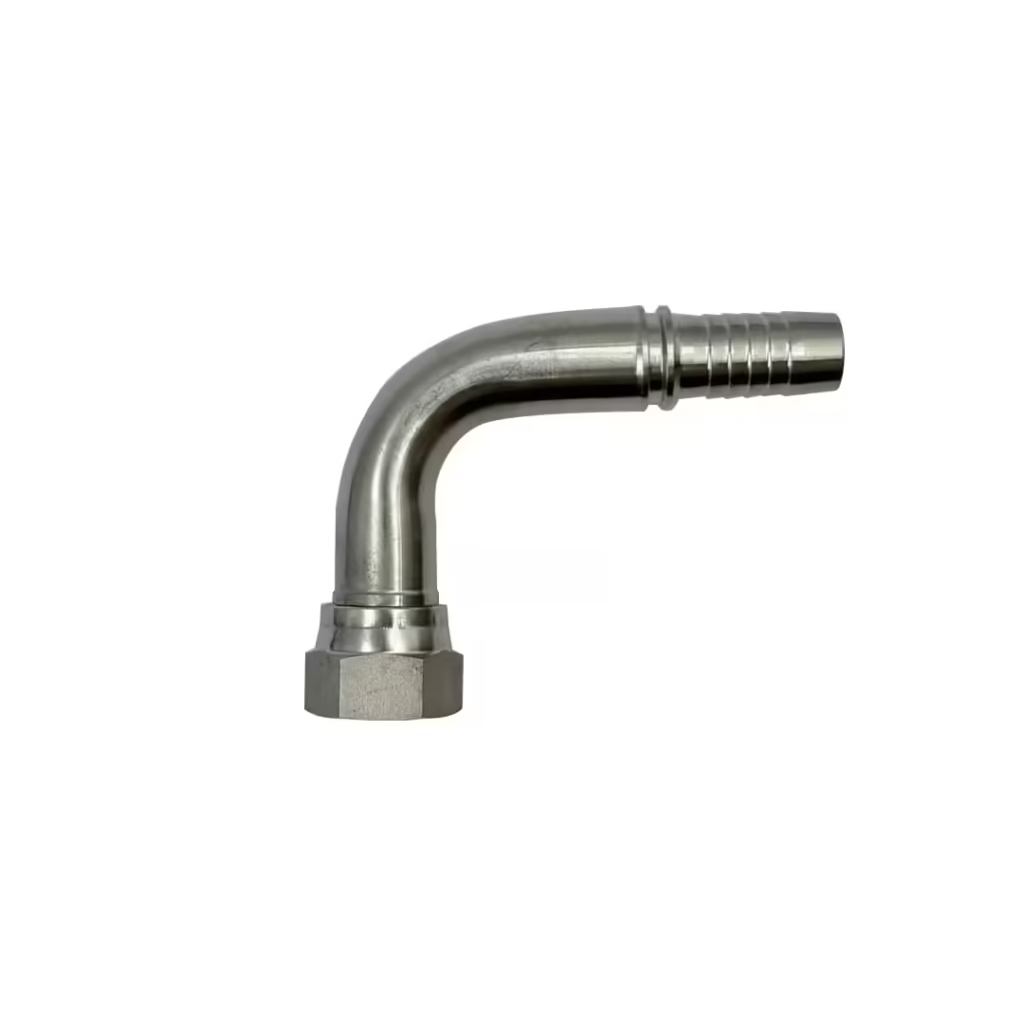
Vibration Loosening
In dynamic systems—like engines, turbines, or vibrating equipment—threaded joints may gradually loosen.
Using lock nuts, spring washers, thread-lock adhesives, or self-locking designs helps prevent loosening and maintains joint integrity.
Stress Concentration
The geometry of threads naturally creates areas of stress concentration, especially under cyclic loading.
Proper design with fillet roots, fine threads, or load-spreading washers can mitigate this issue.
Corrosion Susceptibility
Metallic threads, especially those in outdoor or chemical environments, are susceptible to corrosion.
Coatings, sealants, or choosing inherently corrosion-resistant materials like stainless steel can prevent premature failure.
Torque Control Required
Each threaded connection must be tightened to a specific torque value to ensure optimal clamping force.
Under-tightening can cause loosening, while over-tightening may strip threads or deform components.
How to Choose the Right Threaded Joint
Load and Strength Requirements
Determine whether the connection will bear tensile, shear, or dynamic loads, and select a joint design accordingly.
For high-stress environments, fine-pitch or high-grade fasteners are often preferred.
Material Compatibility
Ensure that both the fastener and the substrate materials are compatible in hardness and corrosion potential.
This prevents thread galling, seizing, and galvanic corrosion between dissimilar metals.
Environmental Conditions
Consider temperature extremes, humidity, chemical exposure, and vibration when selecting both materials and coatings.
Outdoor or offshore applications require enhanced corrosion resistance and sealing.
Assembly and Maintenance Needs
If the system requires frequent disassembly or inspection, prioritize threaded joints that are easy to access and reassemble.
Choose locking mechanisms that are reusable and non-destructive.
Common Problems and Solutions
Thread Stripping
When torque exceeds material strength, threads may strip or deform.
Using proper torque tools, stronger materials, or insert reinforcements (like Helicoil inserts) can prevent damage.
Loosening Under Vibration
Vibration causes relative movement between threads.
Solutions include nylon insert nuts, lock washers, or adhesive locking compounds to maintain preload.
Corrosion
Exposure to water, chemicals, or salt can deteriorate joints.
Protective coatings or corrosion-resistant metals like stainless steel can significantly extend lifespan.
Over-Tightening
Excessive torque may cause yielding or cracking in the fastener or substrate.
Always follow manufacturer torque charts and use calibrated torque wrenches for precision.
Comparison with Other Fastening Methods

Threaded vs Welded Joints
Threaded joints are removable, adjustable, and maintenance-friendly, while welded joints form permanent, high-strength bonds.
Welding provides rigidity but requires skilled labor and cannot be undone without cutting.
Threaded vs Riveted Joints
Riveted joints are common in aircraft, shipbuilding, and bridges, offering durability but no disassembly option.
Threaded joints, on the other hand, provide reusable connections and adjustable clamping force for flexible assembly.
Comparison Table:
| Feature | Threaded Joint | Welded Joint | Riveted Joint |
|---|---|---|---|
| Disassemblable | Yes | No | No |
| Load Capacity | High | High | Medium |
| Maintenance | Easy | Difficult | Moderate |
| Cost | Low | Medium | Medium |
| Application | Versatile | Permanent | Structural |
FAQ
What is the difference between a bolted and a screwed joint?
Bolted joints use nuts and bolts for high-load applications, while screwed joints rely on screws directly threading into the material.
How do I prevent threaded joints from loosening under vibration?
Use lock nuts, spring washers, or thread-locking adhesives to maintain joint stability.
Which material is best for high-strength threaded connections?
Stainless steel or high-grade alloy steel fasteners are recommended for strength and corrosion resistance.
Can threaded joints be reused after disassembly?
Yes, but inspect for wear or damage. Replace fasteners if threads are stripped or deformed.
How do I select the correct torque for tightening threaded joints?
Consult manufacturer specifications and use calibrated torque wrenches to avoid over- or under-tightening.
What are the common failures of threaded joints and how to prevent them?
Loosening, stripping, corrosion, and over-tightening; preventive measures include proper material, torque control, and maintenance.
Are threaded joints suitable for corrosive environments?
Yes, if corrosion-resistant materials or coatings are used.
Conclusion
Threaded joints are essential fastening solutions for industries ranging from automotive and construction to electronics and machinery. They combine strength, versatility, and ease of maintenance. Proper selection, installation, and periodic inspection ensure long-term reliability.
Contact us today to learn more about high-quality threaded joints and fasteners for your projects and get expert guidance for optimal assembly solutions.